
China Social Commerce Entry Playbook: AI-Enabled Strategies for 2027
Last updated: October 2026
12 min read · By the YASO team.

Executive summary
China's social commerce market has crossed a turning point. The biggest change of 2026 is not a faster checkout process or a new content format: it's that AI assistants are replacing the search box. More and more consumers are starting their shopping journey not by typing keywords, but by simply telling an AI what they want, letting the assistant handle the entire process of searching, comparing, calculating discounts, and placing the order. Typed search is giving way to conversational interaction.
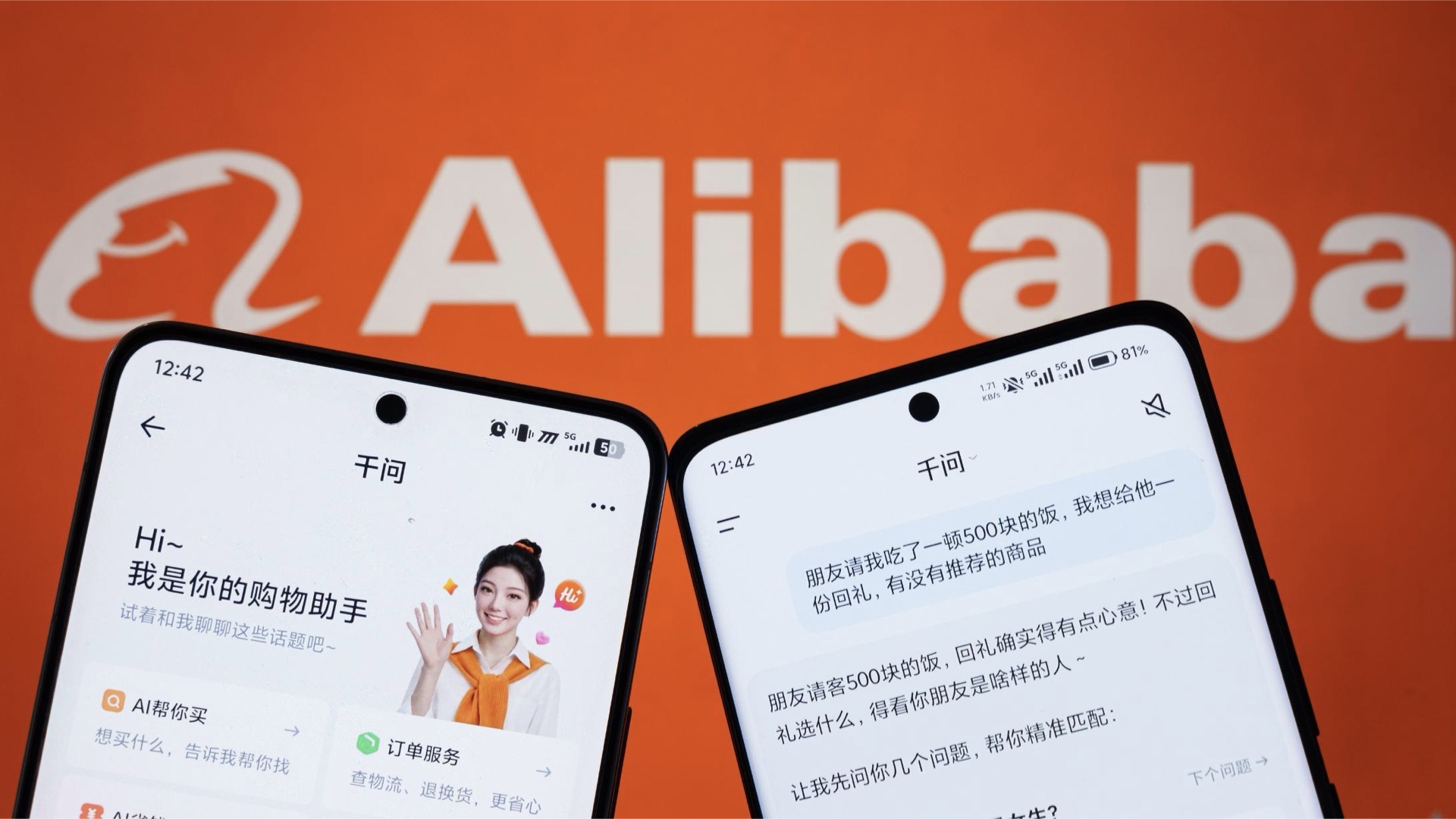
Major platforms made this shift almost simultaneously. In May 2026, Alibaba connected its AI assistant Qwen to the combined product catalogue of Taobao and Tmall, totalling over 4 billion items. ByteDance (TikTok's parent company) launched "one-sentence shopping" through its AI assistant Doubao, integrated with Douyin (the domestic version of TikTok). JD.com, one of China's largest retailers, completed its first fully AI-driven "618" sale (China's mid-year shopping festival, roughly equivalent to Amazon Prime Day) powered by its own shopping assistant.
For Western brands, this changes the core question of market entry. It's no longer just "which platform, which influencer?" There's now an additional question: "When a consumer asks the AI, will it find and recommend us?"
This playbook offers Western brands a practical framework for entering China's AI-driven social commerce market in 2026, from platform selection to the content, influencer, and campaign strategies that continue to deliver results.
The numbers that matter
- As of mid-2025, China's generative AI users reached 515 million, about 36.5% of the population, up 266 million in just six months (source: CNNIC).
- Through Alibaba's Qwen assistant, over 4 billion products across Taobao and Tmall can now be purchased through natural-language conversation (Alibaba, May 2026).
- During Qwen's "RMB 3 billion free-order" campaign over the 2026 Spring Festival, users issued 4.1 billion "Qwen, help me" requests in six days; AI completed over 120 million orders, and more than 130 million people tried AI shopping for the first time.
- As of early 2026, ByteDance's Doubao had approximately 336 million monthly active users (up from 226 million at the end of 2025), making it China's leading AI consumer app (QuestMobile data).
- During JD's 2026 618 festival, around 80 million shoppers used JD's built-in shopping assistant, up more than 200% year-on-year.

1. From search box to conversation
Not long ago, a Chinese consumer with a vague need, say, wanting something "warm but not bulky for commuting," had to translate that idea into keywords, scroll through product listings, open a separate app to check reviews, and manually compare prices. In 2026, consumers are increasingly just saying what they want (by voice or text), letting an AI assistant handle the translation, comparison, and discount-stacking.
The chat box has become the new "front door", a role that once belonged to the platform's search bar. A similar trend is emerging in the West, with tools like Amazon's Rufus and ChatGPT's shopping features, but China's version goes one step further: the assistant doesn't just answer questions, it can complete the entire purchase within a single app.
For brands, the implications are direct: discovery, comparison, and recommendation are all moving upstream to the "assistant layer," happening before the consumer ever reaches a product page. Winning the assistant's recommendation is becoming just as important as winning search rankings once was.
2. AI shopping assistants: the new front door
Ahead of the 2026 618 shopping festival, four major platforms rolled out consumer-facing AI shopping assistants, each integrating its product catalogue, payments, and logistics into a unified conversational interface. The technologies differ, but the direction is identical.
Qwen + Taobao/Tmall (Alibaba): conversational shelf commerce
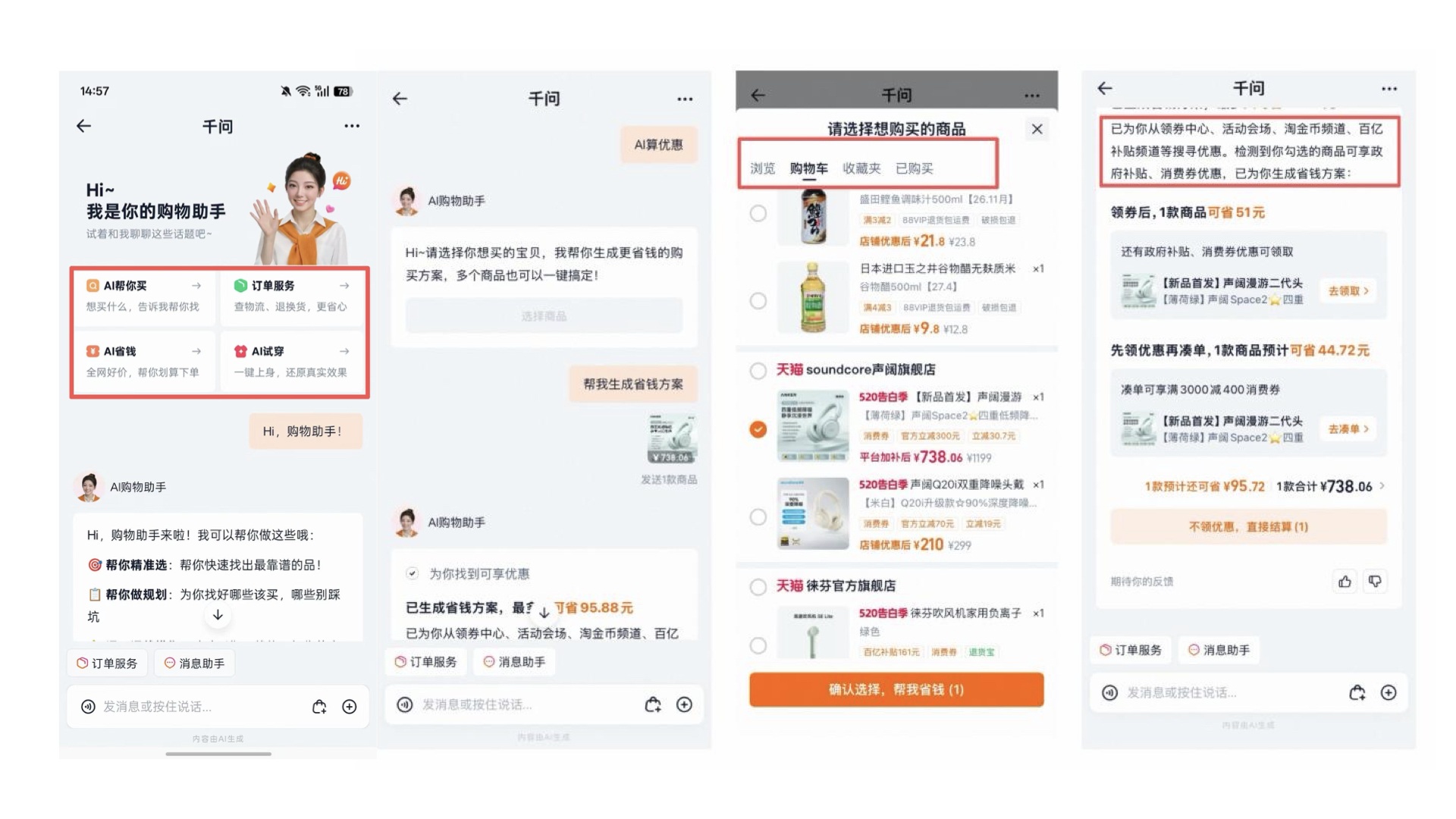
This is Alibaba's boldest move. The Qwen app connects to more than 4 billion products across Taobao and Tmall and, drawing on over 20 years of real shopping data, can understand complex purchase intent expressed in natural language. Unlike overseas AI assistants, which typically rely on external plug-ins for e-commerce, Alibaba closes the loop of model, product catalogue and transaction capability within its own ecosystem.
What it means for brands: Whether Qwen recommends a product depends on how well structured its product data is and how clearly its selling points can be parsed. AI no longer relies on keyword matching; it understands intent and then recommends proactively.
Doubao + Douyin (ByteDance): a content-driven AI loop
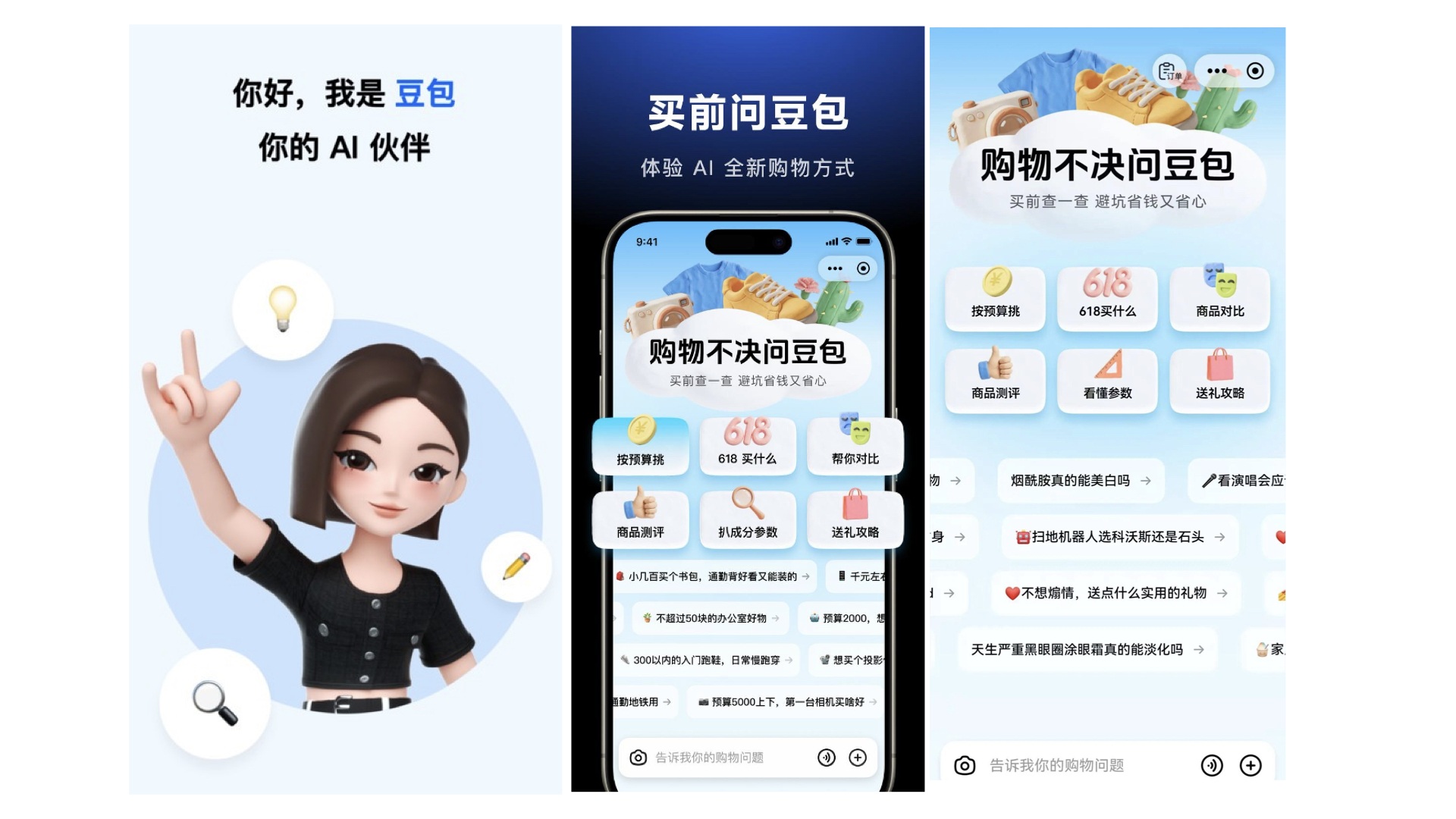
Doubao's "Help Me Choose" feature is built around conversation, matching users to their underlying shopping needs. Instead of searching, users state what they want by voice or text; Doubao clarifies the need, lists and compares options, and gives personalised suggestions. The feature is fully integrated with Douyin E-commerce, so users can order and pay without leaving the app.
What it means for brands: Douyin's content ecosystem is a key data source for Doubao's recommendations. A brand's short videos, livestreams and influencer content on Douyin not only shape consumer decisions but also teach the AI what is worth recommending.
JD: AI across every touchpoint, competing on supply-chain efficiency
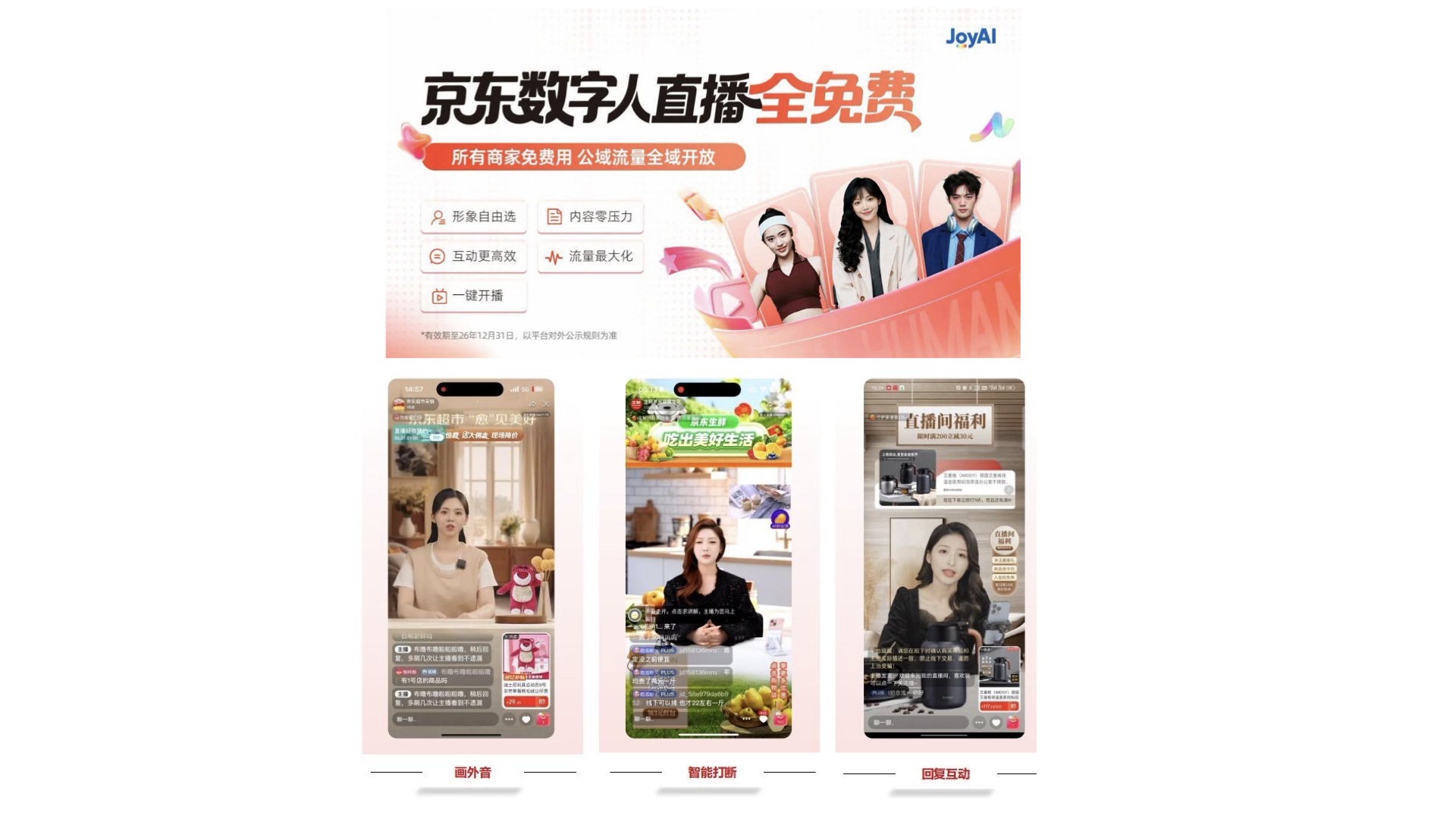
JD has taken a different path. Its 2026 618 festival was the first to embed AI across every scenario and the whole value chain: AI digital-human livestreams, the AI customer-service agent Jingxiaozhi, the consumer-facing agent Jingyan, and a logistics "super brain" for fulfilment, covering everything from marketing to delivery. In Q1 2026, nearly 80 million users used Jingyan to help them shop in the JD app, up more than 200% year-on-year.
What it means for brands: JD's AI advantage lies in supply-chain and fulfilment efficiency. For categories where authenticity guarantees, delivery speed and after-sales service matter most (such as consumer electronics, home appliances and health), JD's AI entry points carry greater recommendation weight.
A snapshot of 618, 2026
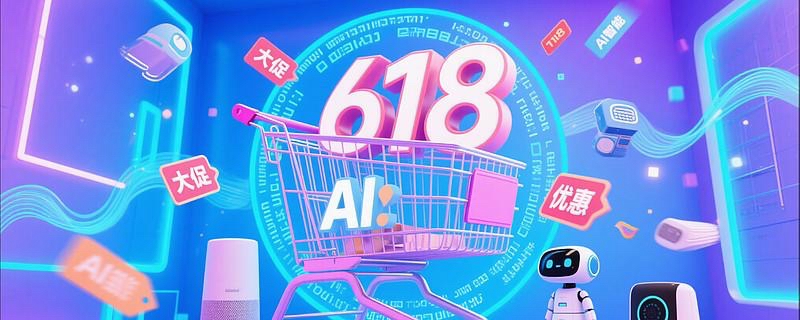
This year's 618 was dubbed the most "AI-saturated" shopping festival yet. Alibaba launched the "Qwen AI Shopping Assistant" inside the Taobao app, with AI try-on, AI discount calculation and AI flash-deal grabbing; Qwen's monthly active users reached 166 million by March 2026 (QuestMobile). JD's JoyAI logged over 3 million cumulative conversation users during 618, with service volume more than 10 times that of the previous Double 11.
In practice, a consumer tells Qwen: "I need a lightweight down jacket for commuting, under 600 RMB, that doesn't look bulky." The assistant filters by fit and price, offers a virtual try-on, checks 30-day price history to confirm the discount is genuine, stacks coupons and pays via Alipay with one confirmation. What once took 20 minutes of scrolling now takes a single conversation.
A reality check: independent testing in mid-2026 found these assistants "usable but not yet excellent", with recommendation quality, neutrality and consumer trust still being earned. The shift is real but early, which is why brands that establish a presence now can get ahead.
Implications for global brands
- Make yourself discoverable to the AI, not just the consumer. If the AI doesn't know your product exists, doesn't understand what it's for, or doesn't trust the underlying data, it won't recommend you, no matter how much you spend on advertising. Accurate, well-structured, machine-readable product information is the new shelf placement.
- Win the comparison, not just the click. Assistants compare sellers based on price history, reviews, and fit. Consistent pricing (no grey-market chaos), strong genuine reviews, and complete product information are what get a brand shortlisted within the conversation.
- Feed the loop. On Douyin and RedNote, authentic user-generated content is the signal that trains recommendation algorithms. Everyday user content now delivers value twice over: once for human shoppers, and once for the AI reading it.
- Treat this as emerging, not settled. Adoption is moving fast, but the tools remain immature. Establishing an organised presence early is a low-cost insurance policy against becoming invisible once the assistant layer matures.
3. Choosing your platform
In 2026, every major platform in the China market now has an AI assistant layered on top, and the consumer shopping journey has shifted from "search" to "conversational recommendation." Platform choice still depends on brand positioning, audience, and resources, but now also requires an AI-fit strategy specific to each platform. Here are the five core platforms:
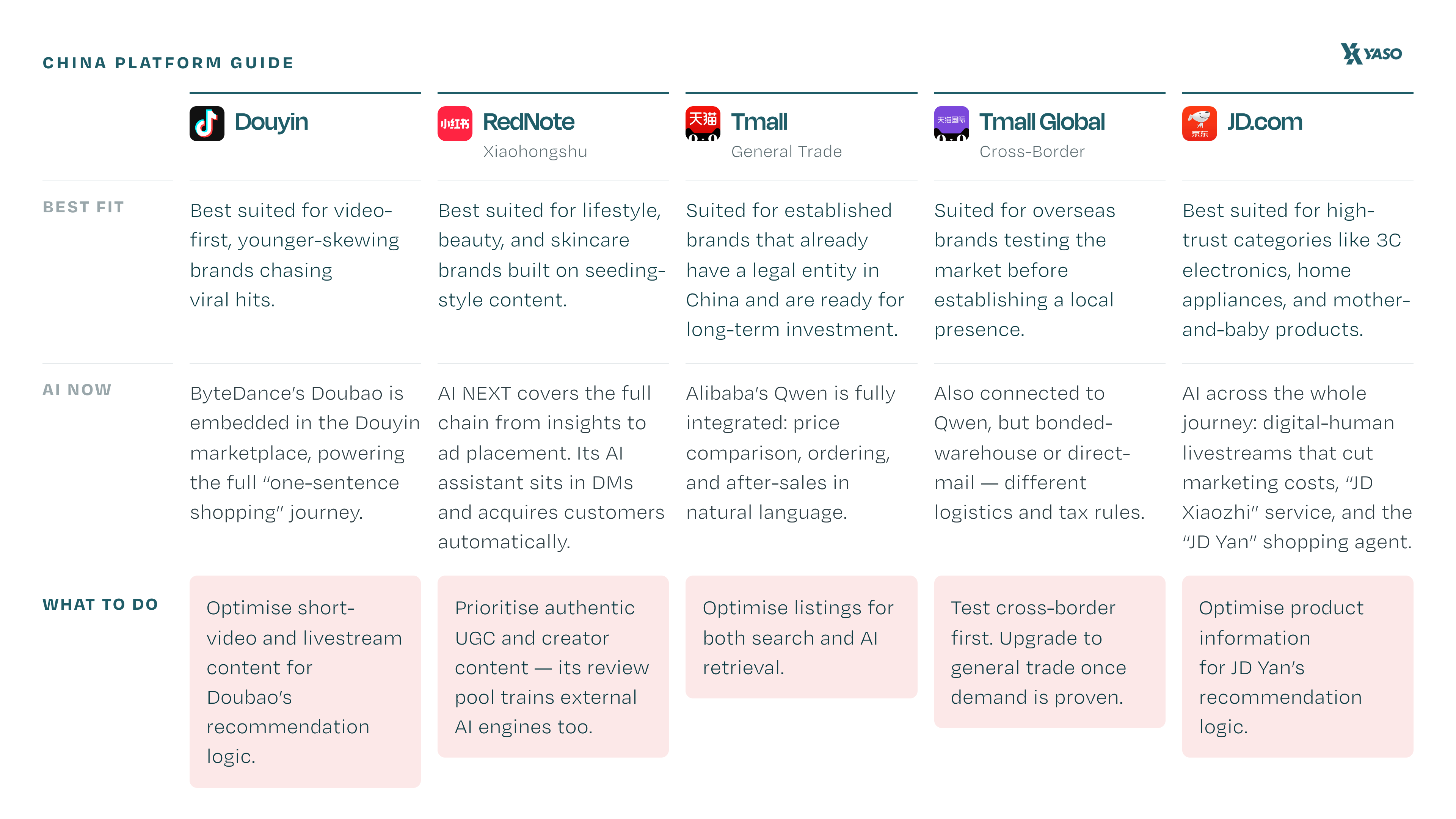
The YASO view: The most successful brands don't rely on a single platform, they select 2–3 complementary platforms based on category and run them in coordination (for example, RedNote for seeding + Tmall for conversion + JD for daily sales). Global brands can start with Tmall Global's cross-border model as a low-cost entry point, then expand gradually. By 2026, multi-platform coordination must extend to the AI layer as well, brands need to ensure their product information is optimised for extraction and recommendation across different AI systems, including Doubao, Qwen, and JD Yan, in order to gain an edge in the AI-driven shopping era.
4. Market entry strategies for the AI era
When consumers start asking AI to "find me a serum for sensitive skin" instead of typing keywords into a search box, brands need to rethink their optimisation logic, content approach and influencer strategy.
Strategy one: from SEO to GEO, make sure the AI can find you
Traditional search engine optimisation (SEO) focuses on keyword rankings. Generative engine optimisation (GEO), aimed at AI, focuses on whether brand and product information can be accurately understood, trusted and recommended by AI. Brands need structured product data that lets AI move from understanding intent, to matching needs, to generating a recommendation. In practice, this means four key actions:
- 1.Structure your product data. Present titles, attributes, ingredients, selling points and specifications in formats AI can parse, and add audience tags and usage scenarios in line with each platform's standards, rather than relying on marketing copy alone. Clean up pricing inconsistencies and grey-market listings too, since AI reads price history and factors it into its judgement.
- 2.Build a genuine review base. AI assistants draw on user review data when recommending products. Encourage real customers to share specific experiences, rather than relying on fake orders or templated praise.
- 3.Adapt to each platform's AI entry point. Qwen, Doubao, Jingyan and Taobao's AI shopping assistant each have different recommendation logic and data preferences, and general-purpose AI models cite different external sources. Optimise how your data appears on each platform rather than pushing one set of assets everywhere.
- 4.Monitor AI recommendation performance. Regularly check how often and how highly your brand is recommended across the main AI models, and how well it matches relevant scenarios. Make AI visibility part of brand health tracking, alongside search ranking and ad performance. Borghese's GEO experiment started from exactly this step (see Section 6).
Strategy two: localise your content, platform by platform
Chinese consumers expect content that feels native, not translated. That means adjusting product imagery and colours to local tastes, shooting lifestyle content with local models and settings, connecting your brand message to locally trusted beauty concepts and ingredients, and staying on top of trending topics.
Localisation also means running each platform differently. Douyin is built on algorithmic recommendation and suits large-scale exposure and instant conversion; RedNote users more often search with a clear need in mind, which suits building brand perception and long-tail conversion. Content that takes off on Douyin and goes nowhere on RedNote is now common, because the two platforms run on different traffic logic. Content is no longer one set of assets distributed everywhere; it is tailored to each platform's underlying logic.
Strategy three: partner with influencers more precisely
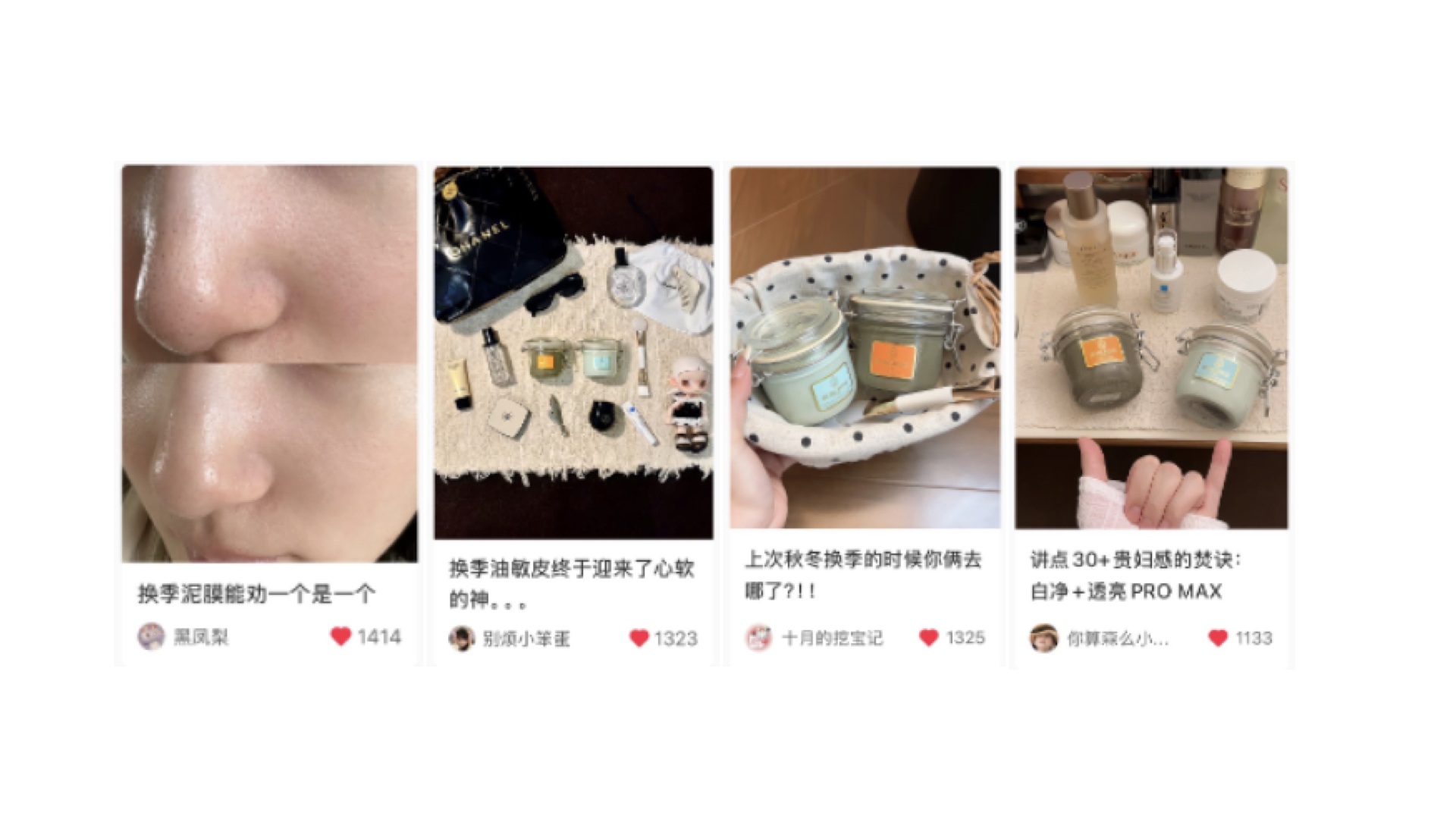
Influencers remain key to building trust and expanding reach. The smart approach uses multiple tiers at once:
- Pre-launch seeding: Partner with 50 to 150 niche, smaller influencers to build awareness and generate authentic reviews.
- Launch amplification: Bring in 10 to 20 mid-tier influencers to drive traffic and sales at key moments.
- Brand endorsement: Work with 1 to 3 top-tier influencers for major campaigns and credibility-building.
- Ongoing engagement: Maintain long-term relationships with active micro-influencers to sustain a continuous flow of content.
In the AI era, three further points matter:
- Prioritise authentic first-hand reviews and lifestyle seeding content. This content is specific and credible, so AI is more likely to treat it as grounds for a recommendation.
- Use platform AI tools to match influencers, such as the smart creator-selection assistant on Xingtu, Douyin's influencer marketplace, to cut screening costs and improve targeting.
- Treat influencer content as long-term material for AI, not just a short-term traffic tool. High-quality influencer content keeps shaping how AI understands and recommends your brand.

5. Five strategies: still effective in the AI era
These five approaches, drawn from YASO's work with leading Western brands, still deliver in 2026. The difference: AI assistants now read the content, reviews and prices they produce.
- 1.Seed before you sell.
Partner with 50 to 150+ smaller influencers two to three months before launch: send products to 100+ micro-influencers in month one, boost top content and add mid-tier influencers in month two, then launch on 200+ pieces of organic content. Pixi generated over 3 million organic views in its first month this way. In the AI era, write briefs that AI can repeat accurately (what the product is, who it is for, what it solves), and extend seeding beyond RedNote and Douyin to sources AI often cites, such as Zhihu and SMZDM. - 2.Build cultural bridges for your ingredients.
Link formulations to concepts consumers already trust: retinol as clinically backed "scientific anti-ageing", natural extracts through traditional Chinese medicine ideas of cooling, warming and balance. Then map these stories to how consumers actually ask AI, such as "how do I fix dull skin after late nights". In Borghese's GEO experiment, the "Skin Condition" topic gained the most, rising from #36 to #15 (see Section 6). - 3.Run livestreaming on two engines.
Influencer livestreams create bursts of exposure with exclusive launches and hourly flash deals; same-day brand livestreams convert that attention with bundles and member perks. Warm up three to five days ahead, and re-cut footage into 15–30 second clips within a week. Livestreaming should contribute 40–60% of monthly sales. In the AI era, keep livestream prices consistent with everyday pricing, since AI checks price history to judge whether a discount is genuine. - 4.Amplify user-generated content.
Encourage reviews with cashback, coupons or points, run hashtag challenges on Douyin and RedNote, and reuse the best content across product pages and ads; it typically converts better than brand-made content. In the AI era, review volume and detail shape how AI ranks sellers, so prompt customers to mention their skin type, how they use the product and their results, not just "works well". - 5.Plan the year around shopping festivals.
618 and Double 11 (11 November, roughly China's Black Friday) drive 30–40% of annual sales for most brands. Lock in products and influencers two to three months ahead, open pre-sales a month out, and move new customers into brand-owned channels afterwards. In the AI era, assistants handle much of the price comparison and coupon stacking, so set clear promotion rules, keep pricing consistent and update product information before the festival starts.
YASO's view: The best brands run all five strategies together under one consistent narrative; this is how Pixi went from stagnant growth to 327% year-on-year growth in 90 days. Together, the content, reviews and prices these strategies generate decide whether AI recommends you.
6. Case study: how Borghese raised its visibility in AI search
The challenge:
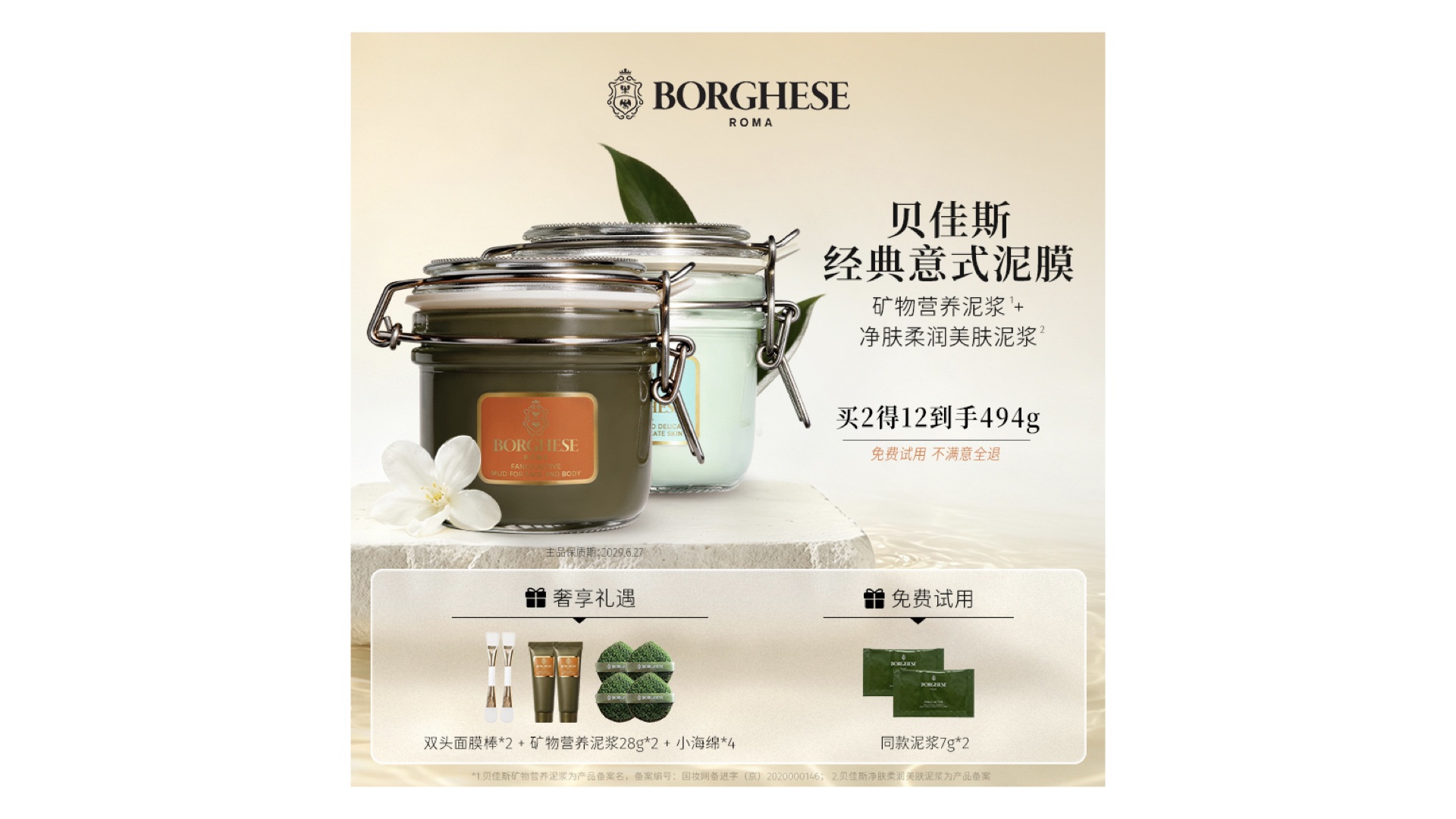
As a pioneering cross-border mud mask brand, Borghese already enjoyed strong consumer awareness in China, but its presence in AI search was weak. YASO GEO's baseline diagnosis ranked the brand #61 in AI answers, with a share of voice of just 2.1%. The core problem was consistency: Borghese was visible on Doubao and Kimi but close to invisible on DeepSeek, Qwen and Yuanbao, because those models were not finding it in the sources they trust. The two largest "source gaps" were Zhihu and SMZDM: platforms AI frequently cites when answering relevant questions, but where the brand's content coverage was thin.
What YASO did:
- Used YASO GEO to track the brand's performance across five AI models (DeepSeek, Qwen, Yuanbao, Kimi and Doubao) and pinpoint its source gaps.
- Placed targeted content on Zhihu and SMZDM, the two largest gaps, prioritising the topics "Skin Condition", "Purchase Channels" and "Buying Guide".
- Compared the week before placement (17–21 August) with the placement week (24–28 August).
Key results:
| Metric | Baseline week | Test week | Change |
|---|---|---|---|
| Brand rank in AI search | #61 | #32 | Up 29 positions |
| Visibility score | 13.5 | 16.7 | +23.7% |
| Share of voice | 2.1% | 3.0% | +0.9pp |
| GEO composite score | 57.0 | 61.2 | +7.4% |
| Brand AI citations on Zhihu | 28 | 151 | ~5.4x |
| Brand AI citations on SMZDM | 24 | 72 | 3x |
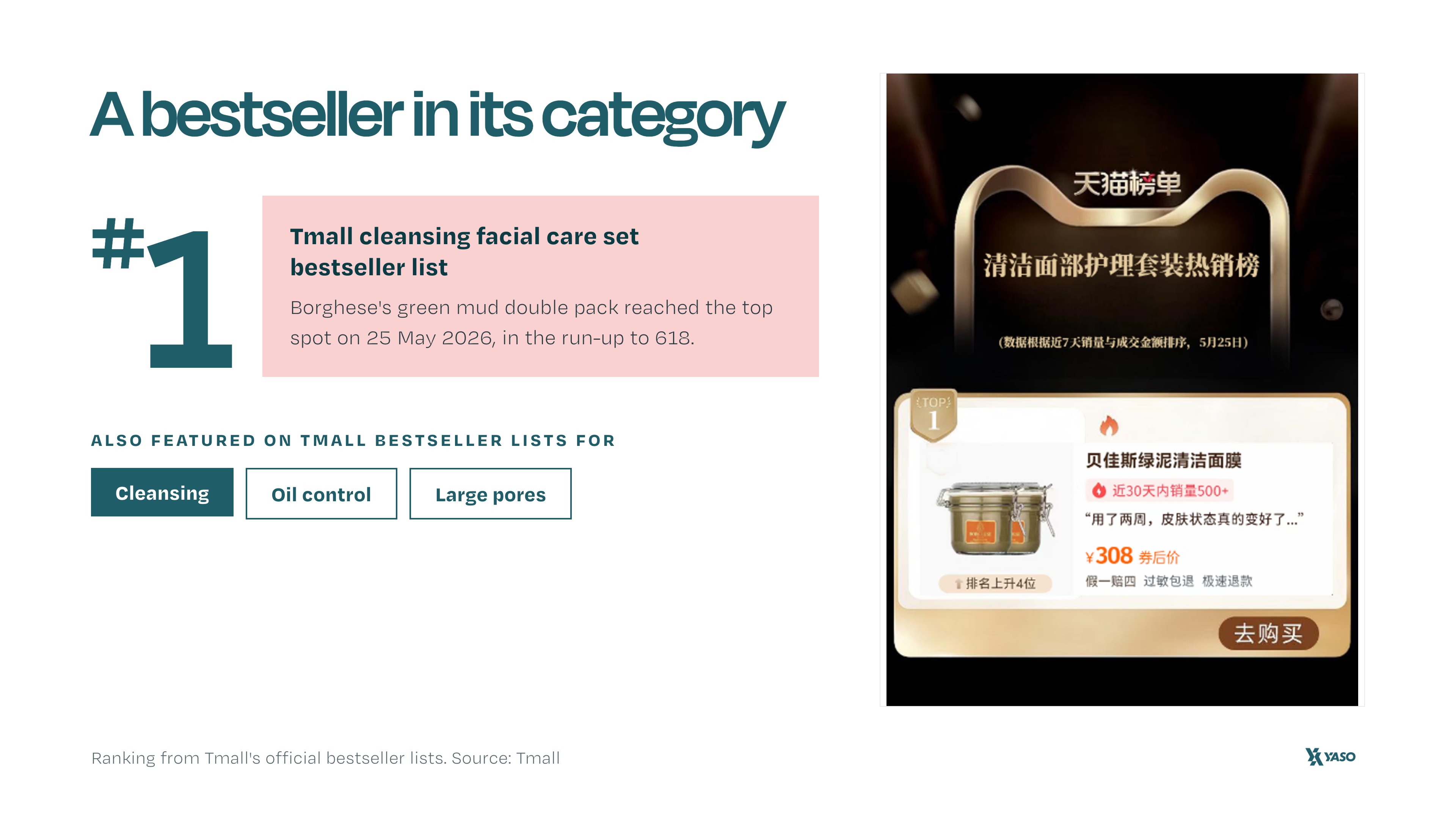
During the test week, Zhihu and SMZDM became the brand's two most-cited sources in AI answers. The Zhihu source gap essentially closed, and SMZDM's gap score fell from 122.1 to 9.1.
All three target models improved: Qwen (+78.8%), DeepSeek (+48.2%) and Yuanbao (+16.0%). Doubao and Kimi, which were not targets, showed minimal change (−3.6% and −2.6%). GEO does not lift all models evenly; it works by putting the brand into the specific sources each model trusts.
Read the full case study: Borghese, 29 places up in China's AI search in one week →
Ready to enter China's AI-powered market?
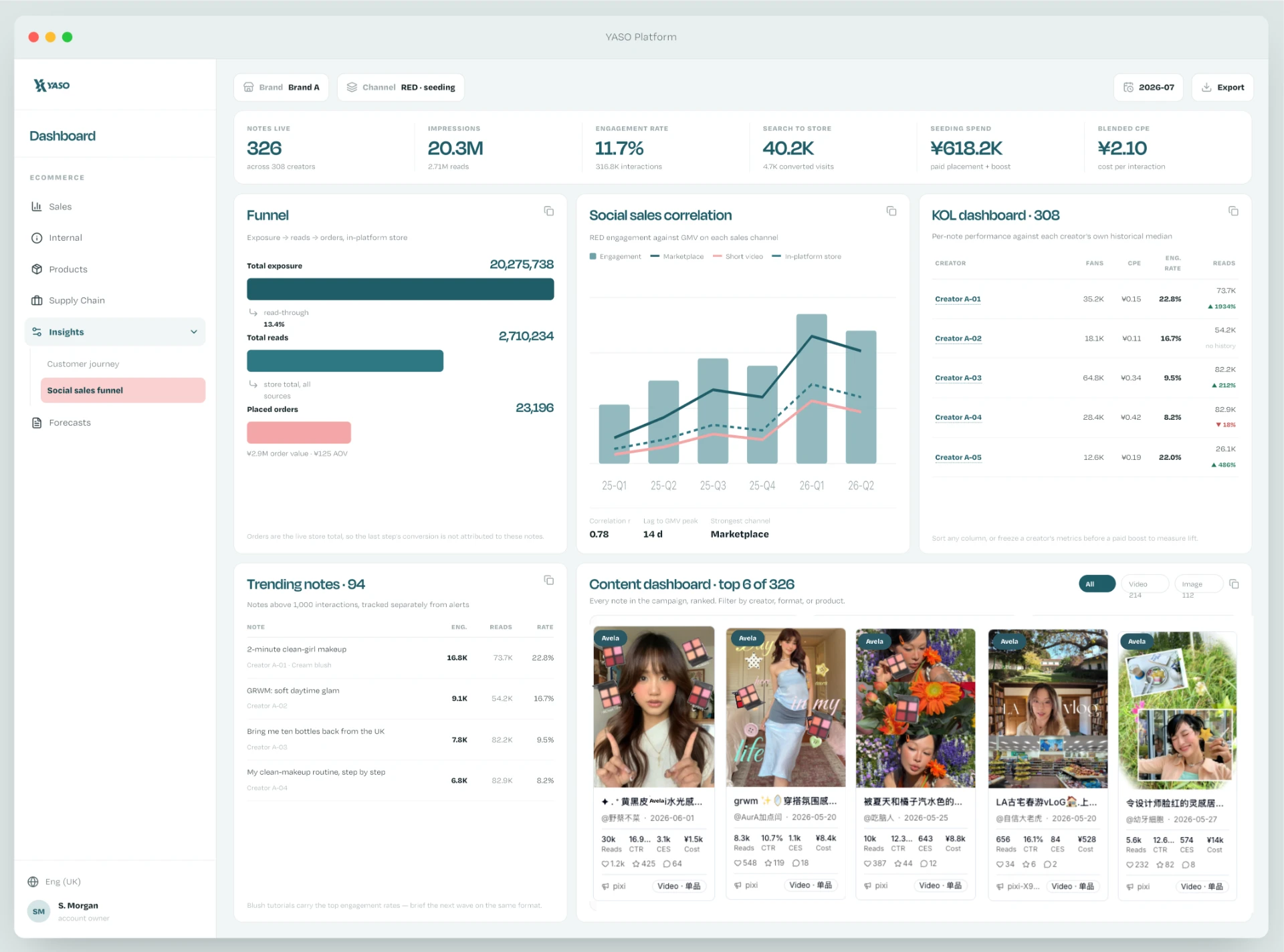
YASO provides end-to-end support for global brands entering China's social commerce market, from multi-platform store setup and operations management to influencer network development, seeding campaigns, and localised content creation.
China GEO, our AI search visibility product, tracks how brands appear across DeepSeek, Qwen, Yuanbao, Kimi and Doubao, and helps them become discoverable and recommendable in conversational commerce.
Together, YASO's proprietary technology platform then supports brands across the full ecosystem of China ecommerce in one unified, AI-powered platform.
Sources:
CNNIC; Alibaba, May 2026; QuestMobile; JD.com 618 2026.
Borghese GEO test data from YASO China GEO, August 2026.
Read the full playbook
By the time a shopper reaches your product page, the AI has already shortlisted
Chinese consumers no longer translate a need into keywords. They tell an AI assistant what they want, and it compares sellers, checks price history, stacks coupons and places the order in a single conversation.
This free 12-minute playbook shows global brands how to make sure China's AI assistants find and recommend them. It includes:
- —How Qwen, Doubao and JD's assistants decide what to recommend
- —An AI-fit guide to China's five core platforms
- —Four GEO actions, plus a three-tier influencer model
- —Five proven entry strategies, updated for AI shopping