
Who Owns Your Stock When You Sell in China? What to Check Before Choosing a Partner
8 Min Read · By William Su, Senior Supply Chain Manager, YASO · Published 9 November 2026
How does stock get into China, and who owns it?
When brands come to us about China, the first question is always the most practical: how does our stock actually get in?
The practical answer? For cross-border ecommerce, every product must be filed with customs, and stock must be in a platform-approved bonded warehouse before a store can open. Who owns that stock depends on the partner model: under consignment, the brand keeps ownership until a consumer buys it; if a partner buys the stock outright, it becomes the partner's.
William Su, Senior Supply Chain Manager, runs YASO's supply chain end to end, from purchasing, product filing and handovers with brands, to stock management, customs clearance and costs. In his experience, the biggest misunderstanding that international brands have about China's supply chain comes from one simple premise: underestimating how different China is. China's ecommerce supply chain has developed fast, the rules are detailed, and much of it runs on rules and processes unfamiliar to Western markets.
In this article, we break down the key details behind operations and supply chain logistics, and give global brands, whether they're considering China or already operating there, the inside track.
Key facts at a glance
- Switching partners: supply chain handover usually takes 1–2 weeks with complete information.
- Opening a Tmall flagship store: around one month, run in parallel with the supply chain work.
- Product filing: usually 3–4 days for up to 1,000 SKUs, when product information is complete.
- Signing to stock in a bonded warehouse: 2–4 weeks from signing to stocking, when transporting by air.
- Stock ownership: under a consignment model, the brand owns its stock until a consumer buys it.
- Stock turnover: normally kept to 90–180 days, with expiry alerts six months or more ahead.
- Emergency restock: usually under two weeks, if the brand has stock available.
How long does it take to get stock into a China bonded warehouse?
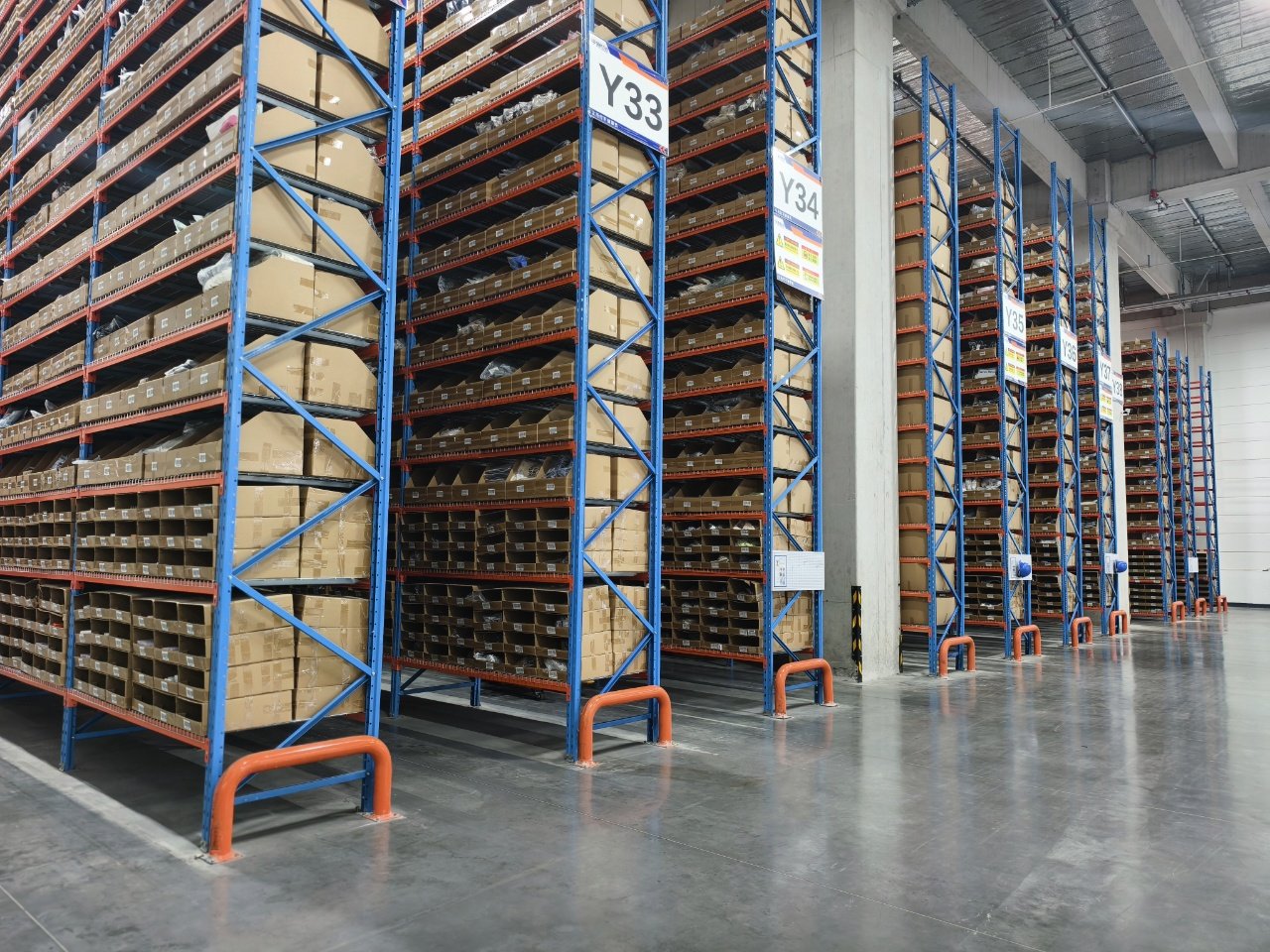
A bonded warehouse is a customs-supervised warehouse where imported goods are held before they are sold and cleared to the consumer. With complete and accurate product information, product filing usually takes 3–4 days and getting from signing to stock in a bonded warehouse takes 2–4 weeks by air.
Once a brand signs with a supply chain partner, it's the partner's responsibility to collect the detailed information needed to file each product with customs. Only after filing is approved by customs can stock enter a platform-approved bonded warehouse. Then, the first agreements are made to define purchase quantities with the brand, place the order and arrange shipping.
As our YASO supply chain manager highlights:
When the brand's information is complete and accurate:
- Product filing usually takes 3–4 days (up to 1,000 SKUs)
- From signing to stock in the bonded warehouse usually takes 2–4 weeks (by air)
Stock first, then the store
- 01
Sign
- 02
Product filing
3–4 days
- 03
Ship and warehouse
2–4 weeks by air
- 04
Store goes live
Store setup runs in parallel (Tmall: around 1 month)
What are the biggest stock risks for brands selling in China?
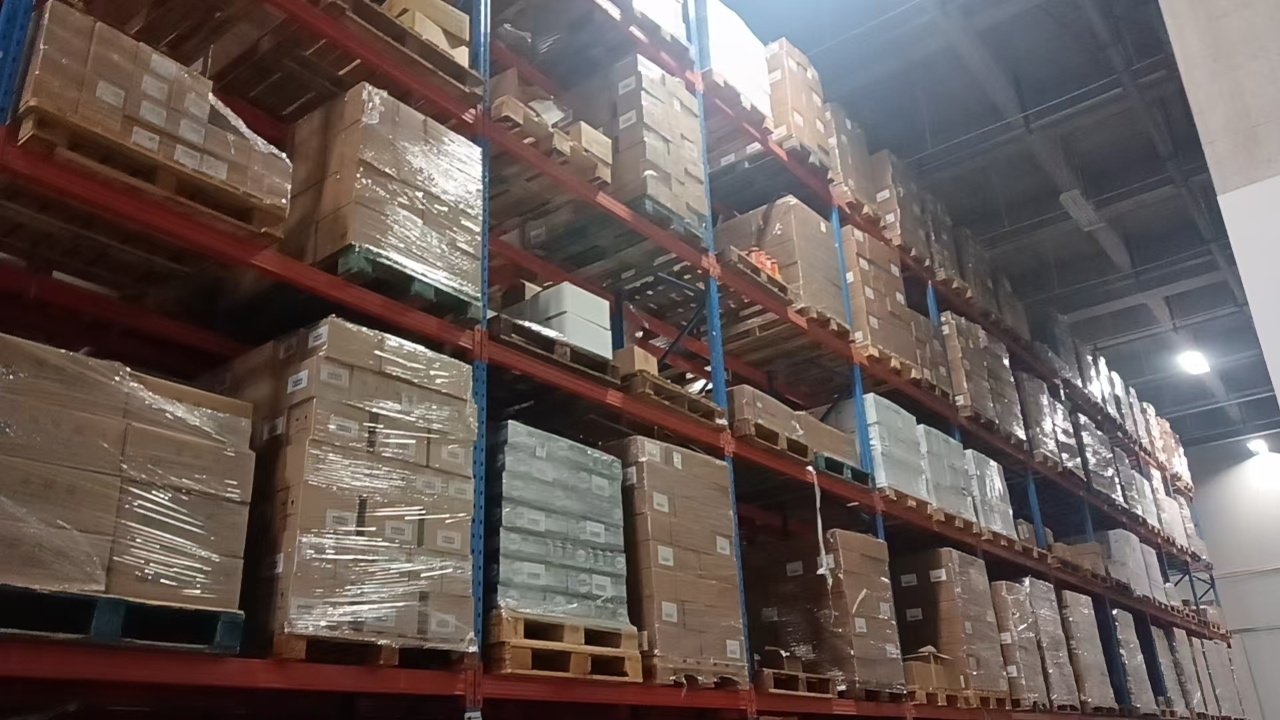
Once stock is in China, the first hurdle is overcome. At this point, there are three common concerns global brands focus on:
Cash tied up in stock
Entering a new market means stocking up, shipping and warehousing before any sales come in. If stock moves slowly, cash stays tied up.
Losing sight of stock
Once stock is with a partner, it's hard to know how much is left, how close it is to expiry, or where the costs are going.
Misaligned partner incentives
If a partner charges a fixed service fee, they get paid whether the stock sells or not. The brand is left carrying the risk of slow sales and expiring stock.
To address all three, YASO works primarily on a consignment model with its brand partners.
What is a consignment model, and how does it protect brands in China?
Under a consignment model, the brand keeps legal ownership of its stock until a consumer buys it, and the partner only earns when that stock sells. The partner, not the brand, carries the supply chain costs in the meantime.
Put simply, under this partnership model, the partner doesn't buy stock from the brand. The brand owns its stock right up until a consumer buys it.
What does this mean?
- No cash tied up in stock. YASO covers the supply chain costs: international freight, bonded storage, customs clearance and last-mile delivery.
- The brand keeps ownership. Contractually and legally, the stock stays the brand's.
- Aligned interests. Most importantly, because YASO works on a revenue-share model, we only earn when stock sells, so we want the same thing the brand does: stock that moves quickly, without piling up or expiring.
What brands worry about, and how consignment answers it
- The worryCash tied up in stock
- With consignmentNo upfront stock cost. YASO covers freight, bonded storage, customs and last-mile delivery.
- The worryLosing sight of your stock
- With consignmentStock visible on the YASO Portal, updated every 15 minutes, plus monthly stock and sales reports.
- The worryA partner paid whether stock sells or not
- With consignmentYASO only earns when stock sells, so both sides want it to move.
The brand owns its stock until a consumer buys it.
How YASO's Platform and supply chain team make consignment work
Under consignment, the product's shelf life is our primary concern: every day in a warehouse uses some of it up. YASO manages that risk with real-time stock data, early expiry alerts and a clearance plan agreed with each brand.
Real-time stock visibility
On the YASO Platform, brands can check their stock levels at any time alongside our supply chain team, and track a status that's updated every 15 minutes. Alongside this real-time data, brands also receive standard monthly reporting from across the YASO service: from the supply chain team's stock report covering quantities, expiry dates, and saleable versus damaged stock, to the ecommerce team's reporting on activations and the finance team's monthly sales data.
Early expiry alerts
Stock turnover is kept to 90–180 days and the operations team are automatically updated on expiry dates six months or more ahead. Each China ecommerce platform defines "near expiry" differently, so we work from our own supply chain alerts and best practice, rather than relying on platform rules. Stock that is close to expiry or has stopped selling is flagged in a monthly stock alert, and the ecommerce team – sitting side by side in our Shanghai office – can then plan activations that will clear it ahead of time.
Clearing near-expiry stock
Common options include:
- Discount promotions
- Bundles with other products
- Gifts with purchase
- Clearance-focused livestreams, bulk buyers and value-focused channels
All approaches and costs are pre-approved with our brand partners.
Last year, we cleared close to a million in near-expiry stock for one international cosmetics brand who were left in a high-risk position by their previous partner. YASO's in-market experts and logistics processes are powered by our technical platform and work together to ensure our brand partners are never left in this position.
How many suppliers do you need for China cross-border ecommerce?
For traditional partnership models, global brands are often faced with juggling more partners than they expected. Beyond how stock gets in and who owns it, brands often overlook how many additional suppliers they'll have to deal with.
In a typical traditional, cross-border setup, a brand might have to find, contract and manage its own freight forwarders, warehouses and couriers.
One point of contact
Managing it yourself
- Freight forwarder
- Customs
- Bonded warehouse
- Couriers
Your brand
With YASO
Your brand
YASO
- Freight forwarder
- Customs
- Bonded warehouse
- Couriers
With YASO, stock goes into platform-approved bonded warehouses and is delivered by platform-approved couriers, and the brand deals with one point of contact: us.
From sell-out marketing activations to flagship livestreaming events where the order needs more stock than is on hand, YASO's cross-disciplinary teams provide the infrastructure to work together and handle stock flow end to end. Our emergency restock can take under two weeks, where brand stock is available.
3 common supply chain mistakes (and how to avoid them)
Did you know there are three common supply chain mistakes international teams often make when dealing with China logistics?
Shipping on wooden pallets
Western brands usually ship on wooden pallets. But at Chinese ports, customs fumigates wooden pallets to stop pests coming in, and fumigation can affect the products. That's why we send brands packaging and shipping guidelines when they order, requesting plastic pallets to avoid this step.
Treating product filing as a formality
China controls cross-border product filing closely, especially ingredients that may involve endangered species or banned substances. Opening up cross-border imports doesn't mean opening the door to substandard products. When product information is incomplete, it often takes two or three rounds of back and forth, which can delay launches if brands and their partners are not prepared in advance.
Assuming cross-border and general trade are the same
Cross-border ecommerce and general trade differ a lot in regulation and tax:
Cross-border vs general trade
| Cross-border e-commerce | General trade | |
|---|---|---|
| Market access | Products on the positive list can be sold once filed | Multiple licences needed; testing can take months or longer |
| Tax | 9.1% combined rate; about 23.1% for high-end cosmetics | Import duty (depends on HS code; 0% with a free trade agreement) + 13% VAT + 15% consumption tax on high-end cosmetics |
| Consumer limit | RMB 26,000 per person per year | No limit |
For many brands entering China or testing the market, cross-border is the faster, lower-cost route. The official rules on cross-border imports and customs clearance are published by the General Administration of Customs of China.
Case study: how a major UK brand avoided a customs risk at a Chinese port
A strong supply chain shows not just in smooth day-to-day running, but in how it handles problems.
The problem:
After we took on a new partner, an award-winning British beauty brand, a shipment processed by their previous partner arrived at port with an issue. The freight partner YASO works with found during customs clearance that some of the shipment's boxes were empty and reported it to us. The brand had no idea; it thought the shipment was complete.
Why it mattered:
This was more than a bit of missing stock. When a shipment is declared as normal goods and customs find empty boxes, it is flagged because the customs declaration no longer matches the goods. This flag could be treated as irregular or, in worst-case scenarios, referred to customs' anti-smuggling department. That would not only stop the full shipment but could also kick off a chain of legal issues.
What YASO did:
On the day our freight partner alerted us, we assessed the risk, estimated the loss and agreed an immediate plan with the brand on board: split the shipment. The genuine products went through the standard cross-border declaration, and the empty boxes were declared separately as general trade, with the relevant tax paid. That removed the risk of a mismatched declaration without delaying the products that could be sold.
This simple solution was possible due to YASO's strong in-market partnerships, expert in-house team and strong standard working procedures.
6 questions to ask a China ecommerce partner before you switch
This case points to a common risk: when brands switch partners, the biggest problems often sit in the handover. With complete information, our supply chain handover usually takes one to two weeks.
The most common problem is that the previous partner's records are incomplete or missing, and sometimes there's slow-moving stock left behind too.
So whoever your brand chooses to partner with, make sure you ask these six questions:
- Who owns the stock? Is it consignment or bought outright? When does ownership pass to the consumer?
- Who pays the supply chain costs? Freight, warehousing, customs and delivery: who covers each?
- Can you give me a clear breakdown of stock and costs? How often is it updated? Can we see it ourselves?
- How long does setup take? How long for product filing and getting stock into the warehouse?
- How is near-expiry and slow-moving stock handled? Is there an early warning?
- What's needed at handover? How will you take over records and stock from our current partner?
Key takeaways: choosing a China supply chain partner
In China, a good supply chain comes down to two things: starting early and staying transparent. Product filing, purchasing and warehousing all need to be done before the store goes live, so brands can catch every sales window. And when the brand owns its stock and can see its stock and costs clearly, it can trust a partner with the China market.
Frequently asked questions
What is a bonded warehouse in China?
A customs-supervised warehouse where cross-border ecommerce stock is held before it is sold to consumers. Stock can only enter once product filing is approved, and it must be a platform-approved warehouse.
How long does it take to start selling in China through cross-border ecommerce?
With complete product information, product filing takes 3–4 days and stock reaches a bonded warehouse in 2–4 weeks by air. Opening a Tmall flagship store takes around a month, so the supply chain work should start early and run in parallel.
Who owns the stock under a consignment model?
The brand. Ownership stays with the brand, contractually and legally, until a consumer buys the product. The partner covers supply chain costs and only earns when stock sells.
What is the difference between cross-border ecommerce and general trade in China?
Cross-border ecommerce lets products on China's positive list be sold once filed, at a lower combined tax rate, with an annual spending limit per consumer. General trade needs multiple licences and full import duty, VAT and, for high-end cosmetics, consumption tax, but has no consumer limit.
How is near-expiry stock handled in China?
YASO keeps stock turnover to 90–180 days and alerts the operations team six months or more before expiry. Slow or near-expiry stock is cleared through discounts, bundles, gifts with purchase, clearance livestreams and value-focused channels, agreed with the brand.
How long does it take to switch China ecommerce partners?
With complete information, a supply chain handover usually takes one to two weeks. The most common delay is incomplete or missing records from the previous partner.