
China Social Commerce: A Guide for Global Beauty Brands.
6 Min Read · By YASO
If you are considering China and keep hearing the term "social commerce" without quite knowing what it means, this guide is for you. We start from the beginning, define everything in everyday language, and explain what it means for your brand.
What is "social commerce" in China?

In the West, discovering a product and buying it are usually two separate acts. You might see a serum on Instagram or TikTok, then later open a browser, find the brand's website or Amazon, and check out. Two apps, two moments.
In China, those two acts happen in the same place at the same moment. You watch a short video or a live broadcast and buy directly inside that same app, without ever leaving. That fusion of social media and shopping is what "social commerce" means: the content is the shop. This is not niche behaviour in China. It is how shopping works, and for beauty in particular, it is where the growth is.
Why China social commerce matters for beauty brands
A few numbers set the scene. (One term to know first: GMV, or gross merchandise value, simply means the total value of everything sold. Think of it as total sales.)
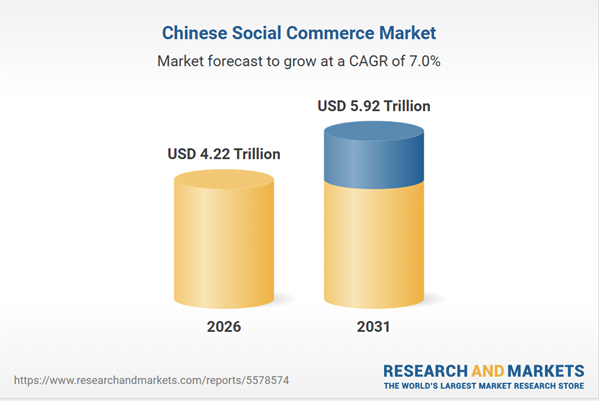
In 2026, more than 830 million people in China use social commerce, about 86% of everyone online there. The market is on track to reach USD 4.22 trillion. And for your category specifically, during the 2025 618 Shopping Festival, Douyin, China's home-grown version of TikTok, accounted for 36% of all beauty category sales. A beauty brand with no social commerce presence has effectively walked away from the largest source of growth in the market.
China's beauty market is worth around USD 141 billion (RMB 1.1 trillion as of 2025), and roughly two-thirds of it is now online.
There is one shift you cannot ignore. Chinese domestic brands, often called "C-Beauty", now hold 57.4% of the market and have grown their share for five years straight. Western brands are losing ground, and the reason is not price. It is that local brands connect emotionally with shoppers and move faster on these platforms. That is the gap this guide is really about.
Douyin, RedNote, and Tmall: what each platform is for
China does not have a single dominant shopping app the way the West leans on Amazon. Different platforms do different jobs, and one shopper moves between them.
Where your brand should start in China
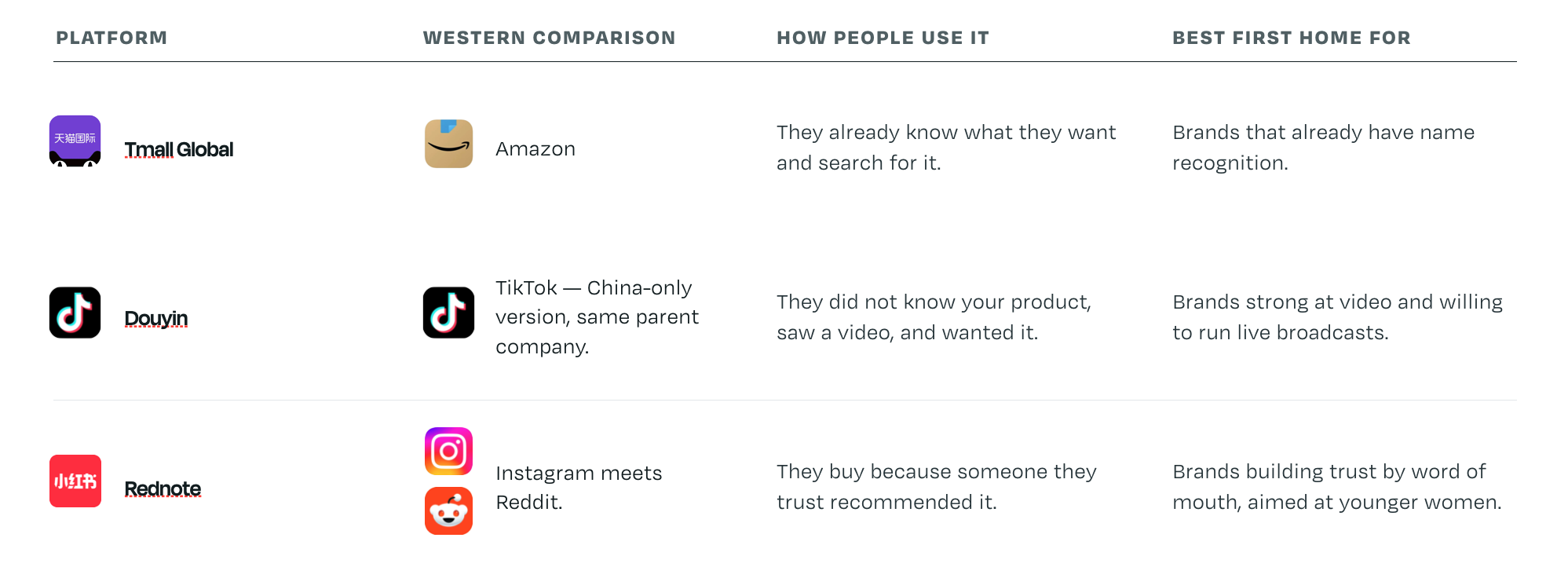
These are not rival channels you pick between. They are stages of one journey: a shopper might discover you on RedNote, check reviews on Douyin and buy on Tmall. So the real question is not "which one", it is "which one do we learn to run well first" before expanding. Picking the wrong starting point can cost six to twelve months of time and budget.
Douyin is worth a closer look. In May 2026, beauty sales there reached RMB 28.46 billion (around USD 4 billion). During the "618" festival (a major mid-year shopping event, China's rough equivalent of Amazon Prime Day), beauty sales hit RMB 32.54 billion, up nearly 17% year on year, with high-end beauty growing almost 60%. The chief executive of the Estée Lauder Companies has called Douyin the central place for winning new customers in China. When a global beauty leader says that out loud, it is worth listening.
Who buys on China social commerce, and why
Who: Gen Z leads
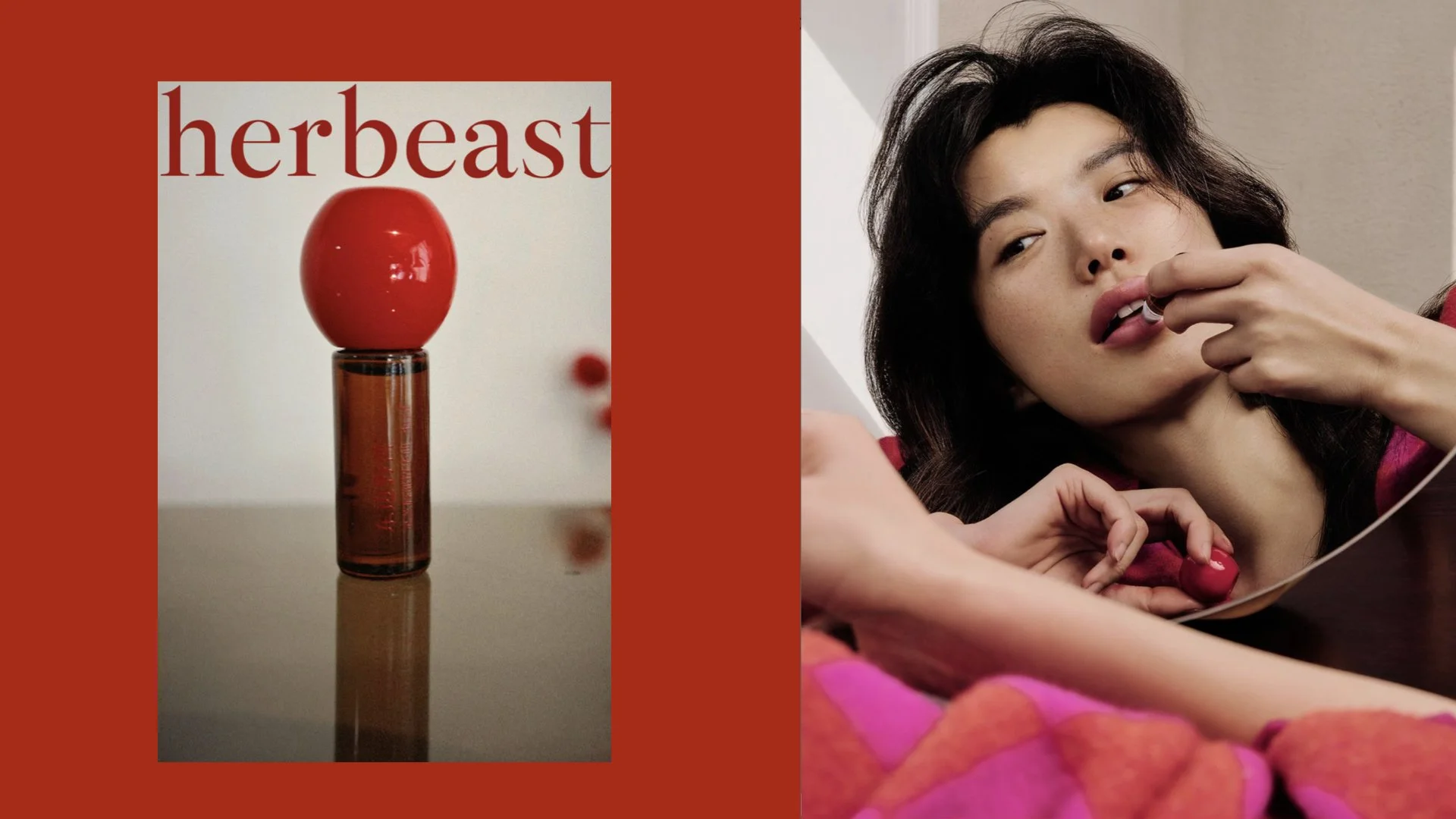
Younger shoppers drive the market, placing 65% of social commerce orders, with repurchase rates as high as 42% in categories like homegrown beauty, a signal of real loyalty. Smaller cities and towns are growing fast, and men's skincare is rising sharply: among new customers in one of China's biggest livestream channels, men under 25 are now the largest group, with sales of men's tinted moisturiser up more than 150%.
Why: emotion, not just function
Two things shape what people buy. First, content: shoppers say short-video reviews, live broadcasts and everyday-user recommendations are their main basis for deciding.
Second, and more importantly, the reason behind a purchase has changed. A major 2026 study of beauty content found that two-thirds of it carries a positive emotional tone, and that feelings of "appreciation" and self-recognition run far higher in beauty than across other categories. In plain terms: people buy beauty to feel good about themselves, not only to fix a skin concern. They are not buying a jar of cream, they are buying comfort after a hard week. They are not buying a lipstick, they are buying confidence before a date. Your marketing has to speak to that feeling, set in real moments of life, not just list ingredients and benefits.
How: fast decisions, but high returns
Social commerce shrinks the decision from days to under 48 hours, which lifts impulse buying to about a third of purchases. The flip side: roughly 28% of orders get returned. Fast to win, easy to lose, so the experience has to deliver.
Five key concepts in China social commerce
1. "Seeding" and "harvesting"
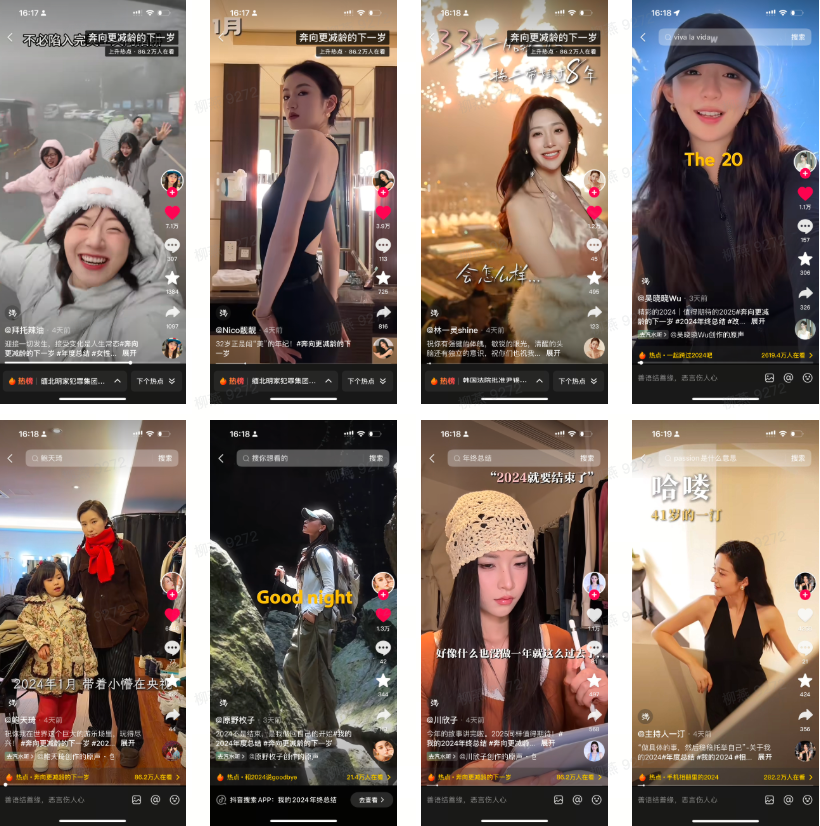
This is the heart of Chinese marketing. "Seeding" (literally "planting grass") is the moment content plants a desire for your product in someone's mind; "harvesting" is the purchase that follows. The whole game is to seed well so the harvest follows naturally, and done right, this loop converts several times better than traditional online shopping.
2. KOLs and KOCs: two kinds of recommender
A KOL (key opinion leader) is an influencer with a large following. A KOC (key opinion consumer) is an ordinary, trusted everyday user, more micro-reviewer than celebrity.
The smart approach mixes big names for buzz, mid-sized creators for scale and KOCs for authenticity, with no single right recipe: one 2026 ranking showed some brands driving half their sales through outside creators and others through their own broadcasts. Content from everyday KOCs can return 10 to 30% better than a brand's own polished material, because it feels real.

3. Content is your entry ticket
On these platforms, good content is the only thing that earns visibility, whether free, shopping-related or paid. You have to operate like a publisher, putting out video, live broadcasts, creator content and strong search listings continuously. The era of relying on a few big livestream events is giving way to an "always on" approach.
4. "Owning" your audience versus "renting" it
China draws a sharp line between two kinds of audience. Public domain is the platform's traffic, which you rent and keep paying for. Private domain is your own audience, reachable again and again at no extra cost, most often through WeChat (China's everything-app). The nearest Western parallel is paying for ads each time versus owning an email list. The goal over time is to turn rented attention into owned relationships.
5. Livestreaming is essential, not optional
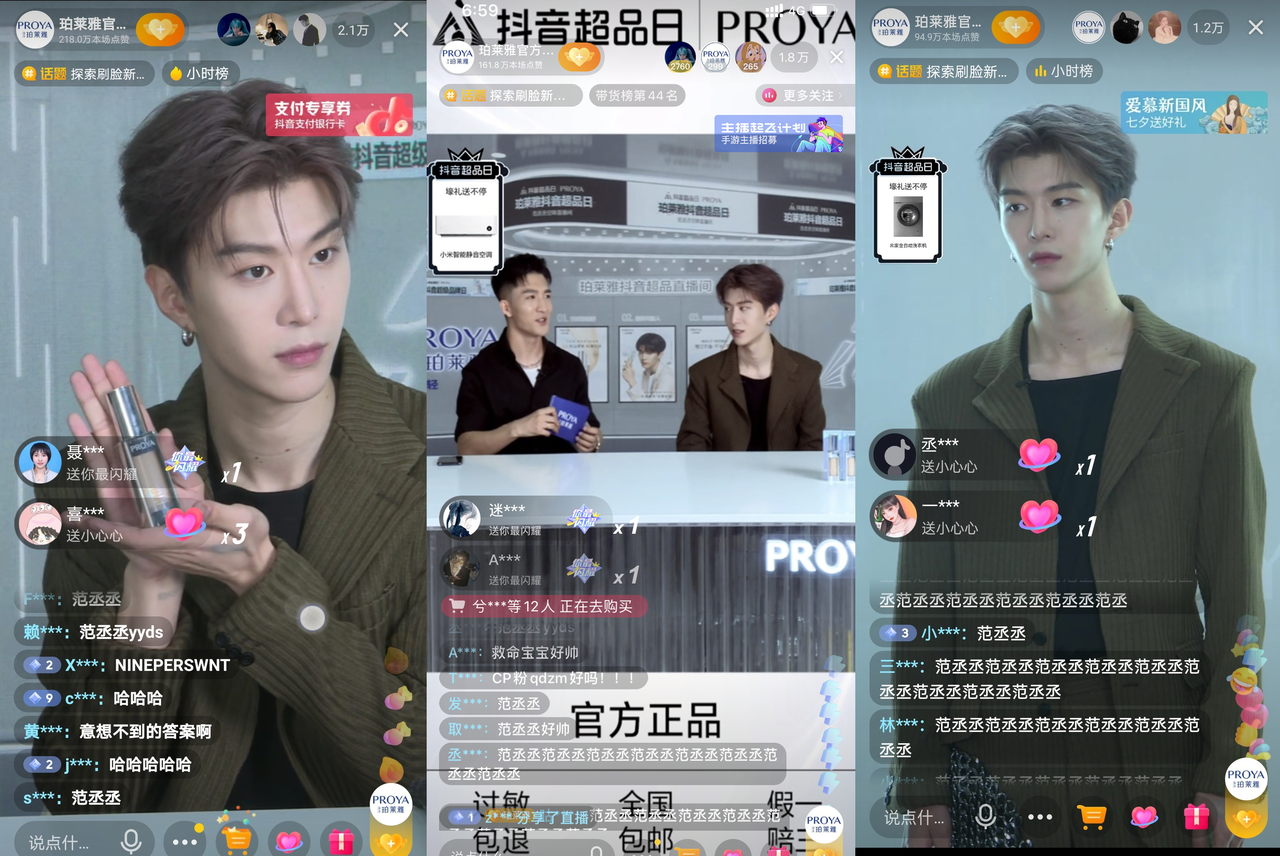
A livestream is a host selling on camera in real time, demonstrating, answering questions and offering deals, like a far more interactive QVC. In China this is basic infrastructure for a beauty brand. Most run two kinds: creator-led broadcasts for quick bursts of attention, and their own brand broadcasts for steady, everyday selling.
How AI is changing China social commerce in 2026
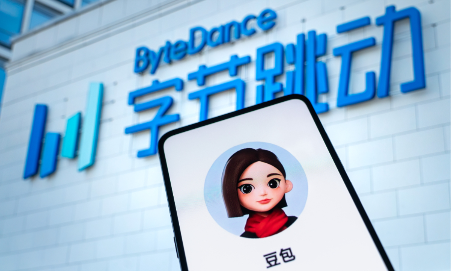
2026 is the year AI became standard across these platforms. AI "virtual hosts" (computer-generated presenters) now feature in nearly 40% of live broadcasts and help cut customer-service costs by around a quarter. AI also speeds up choosing which products to push, targeting the right shoppers and optimising ads. For a brand, the practical upshot is that a leaner team can run a credible operation than was possible even a year ago.
China social commerce regulations in 2026
China regulates this space, and the rules tightened in 2026. New national measures for livestream e-commerce took effect on 1 February 2026. In plain terms, they require that:
- sellers verify and keep proper licences and product documentation
- claims must be truthful, with exaggerated or unrealistic efficacy claims banned
- all cosmetics must be registered or filed with the NMPA (China's equivalent of the US FDA) before sale
- cross-border sales follow customs and tax rules
- customer data is properly protected
Treat compliance as an advantage, not a chore. Platforms increasingly reward compliant brands with better visibility, so getting this right helps you sell, not just keep you out of trouble.
How to start selling on China social commerce
- 1. Choose one starting platform, then expand. Do not try to be everywhere at once. Based on your brand, budget and content strengths, pick the single best platform to begin on, get good at it, then grow from there. The real decision is where you want discovery to happen and where you want the sale to close.
- 2. Treat content as a core capability. In China, your edge is not only the product (important though it is), it is your ability to keep producing content that connects emotionally. The evidence is clear: the first thing that moves a Chinese shopper is feeling, not a feature list.
- 3. Commit for the long term. This is not a "set up a shop and watch it sell" market. It rewards sustained effort across content, creators, live broadcasts, search and store management, run like a publisher and a retailer at the same time. Choosing the wrong platform costs you time. Half-hearted effort costs you the whole China opportunity.
The Western brands that win in China build "understanding the Chinese consumer" into how they operate, rather than treating China as just another export market.
How YASO Can Help
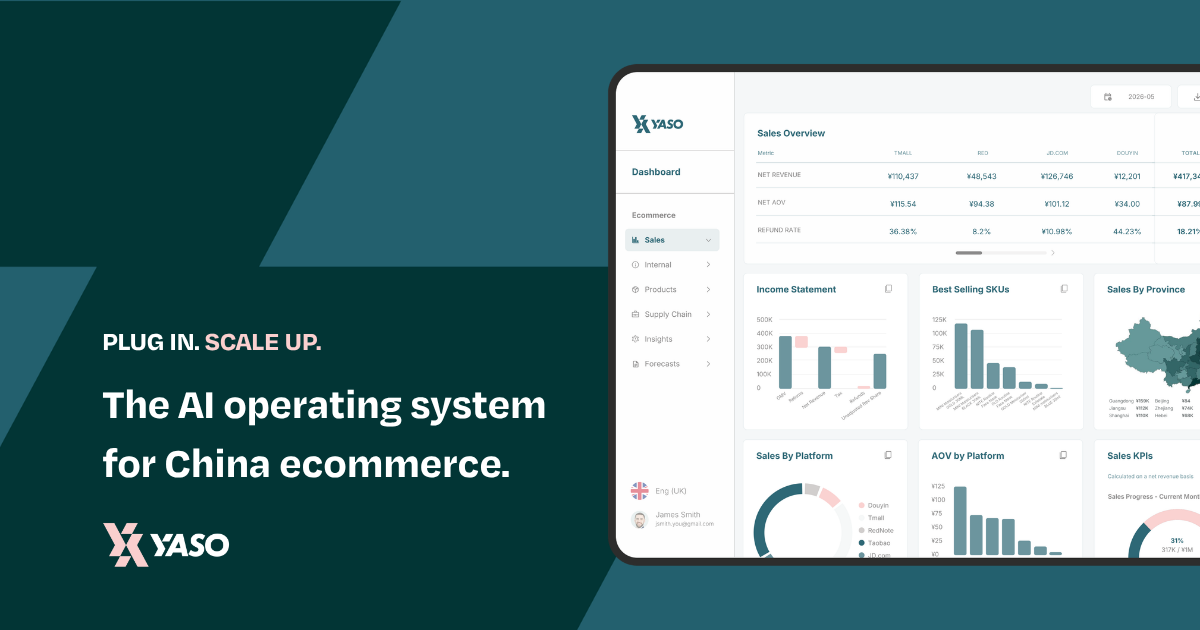
Social commerce in China rewards brands that run content, creators, livestreaming, search and store management as one continuous operation, in the right order, on the right platform first. That is a lot to stand up from the outside, and the cost of starting in the wrong place is measured in quarters, not weeks.
YASO helps Western beauty, wellness and lifestyle brands launch and scale in China, from choosing the right first platform and building an always-on content engine to livestreaming, creator partnerships and channel management across Douyin, RedNote, Tmall and beyond.