
Clean Beauty in China: Market Trends and Brand Strategy
7 min read · By the YASO team.
China's clean beauty market has entered a shake-out phase, and much of the guidance written for global brands two or three years ago no longer holds. This analysis sets out what has actually changed on the ground in 2025 and 2026: how Chinese consumers now define "clean," why published market-size figures disagree by as much as twentyfold, why clean skincare and clean makeup are two different businesses with opposite competitive dynamics, and who has been winning and losing as the category consolidates.
What you'll learn
- Which product claims actually drive purchase in China, and which rank last in both survey and social data
- How to read conflicting market-size estimates and size the segment you genuinely compete in
- Which international clean brands contracted or closed in 2025 and 2026, and why the global majors are now investing in Chinese brands instead of competing with them
- What the new clean makeup group standard, T/SHRH062-2026, means for your claims, formulations and testing documentation
- Why Western clean certifications such as Clean at Sephora carry little weight with Chinese consumers
1. What "clean beauty" means in China
Internationally, clean beauty is defined by absence: products formulated without contested chemicals such as parabens, synthetic fragrance and sulphates. In China the ingredient logic is the same but the centre of gravity has moved, and that shift matters enormously for how you position a brand here.
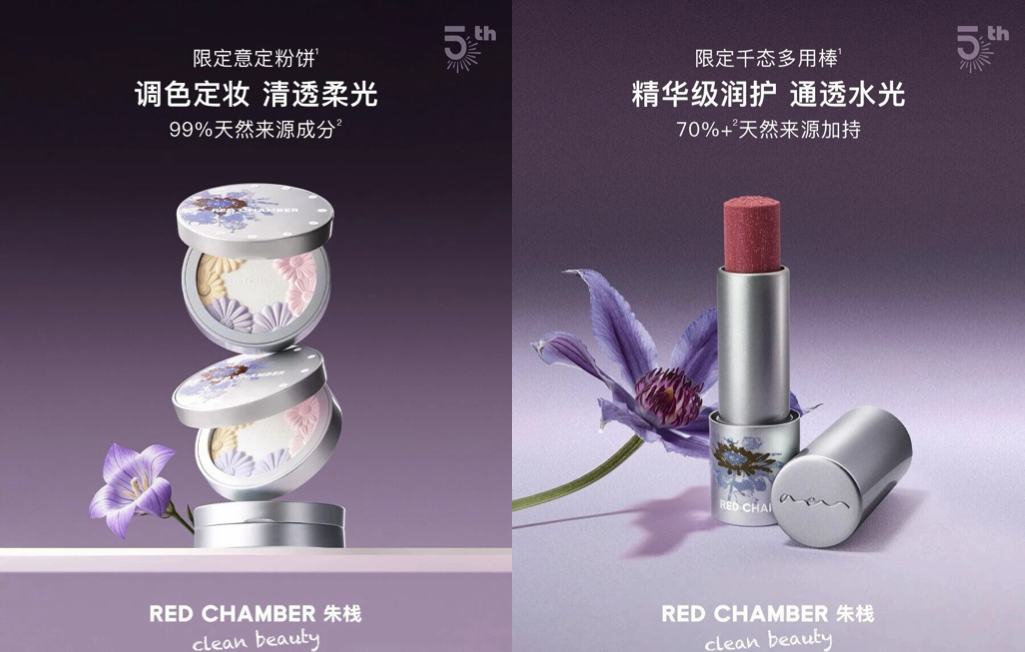
The clearest evidence comes from Kantar's clean colour cosmetics industry survey, commissioned by domestic brand RED CHAMBER. Asked which attributes a clean product or brand should meet, Chinese consumers put safety at the top and ethics at the bottom.
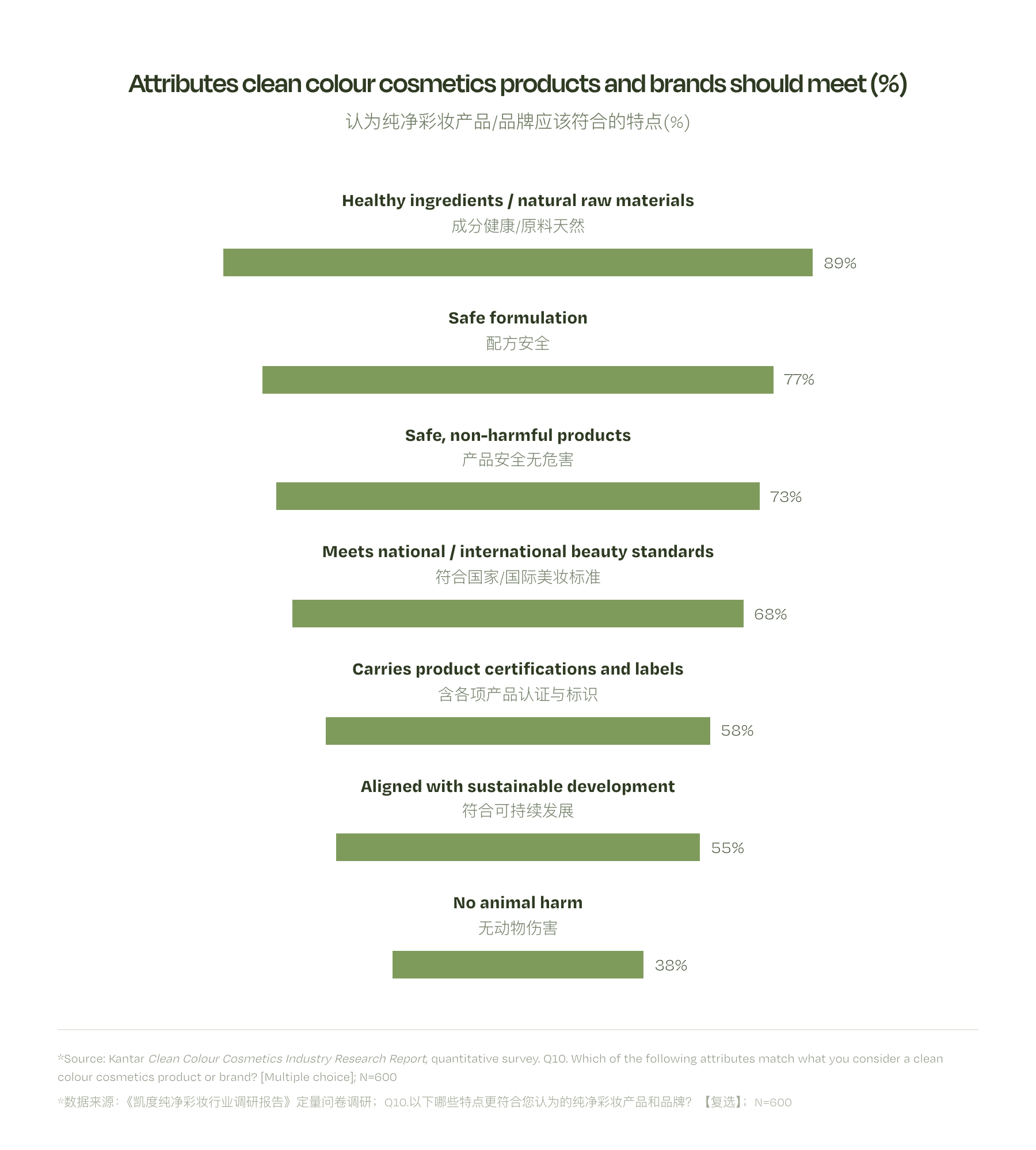
Read the order rather than the individual percentages. Healthy ingredients and natural raw materials (89%), safe formulation (77%) and safe, non-harmful products (73%) lead. Alignment with sustainable development (55%) and no animal harm (38%) come last, and those are precisely the two attributes most Western clean brands build their identity on.
The same ordering holds when the survey shifts from attributes to outcomes.
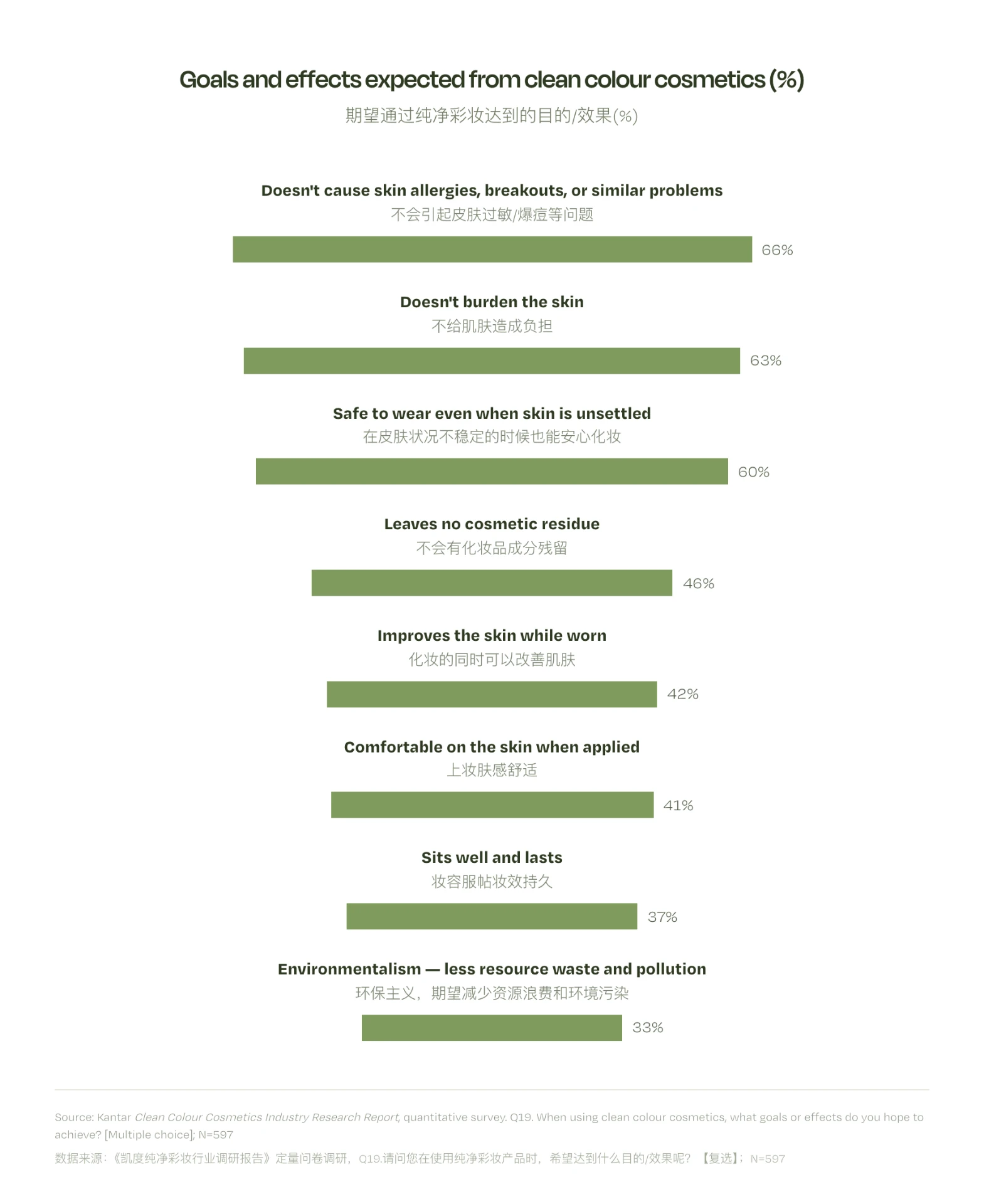
What consumers are buying is skin security: no allergies or breakouts (66%), no burden on the skin (63%), and the confidence to wear makeup when skin is unsettled (60%). Environmentalism and reducing waste ranks last again, at 33%.
Independent social listening points the same way. In Moojing's analysis of 527 RedNote posts (April 2025 to February 2026), "sensitive skin" appeared 298 times against 12 mentions of "cruelty-free".
Key takeaway: two methodologies, one conclusion. Clean beauty in China sells on "safe for me", not "kind to the planet", and environmental and animal welfare claims do not merely rank lower but rank last in both datasets.
2. Market size: why the numbers don't agree
Ask how big China's clean beauty market is and you will get answers that cannot all be true at once. The table below collects the most frequently cited estimates and, more importantly, states the scope of each one, because scope is where almost all of the discrepancy comes from. Read the second column before the third.
| Source | Scope | Figure | CAGR |
|---|---|---|---|
| Boyan Consulting | China, 2024 | RMB 67.8bn (+25% YoY) | n/a |
| Cross-Border Magic Cube | China, 2025 forecast | ~RMB 120bn | n/a |
| Grand View Research | Global, 2025 to 2033 | USD 10.5bn to USD 35.3bn | 16.8% |
| Fortune Business Insights | Global, 2025 to 2034 | USD 10.79bn to USD 37.91bn | 14.99% |
| Grand View (Horizon) | China, 2023 to 2030 | USD 505m to USD 1.46bn | 16.3% |
| China Report Hall | China clean makeup, 2025 | n/a | 18.6% |
These sources are not measuring the same thing. Boyan's RMB 67.8bn and Grand View's USD 505m for China differ by roughly twentyfold, and neither is necessarily wrong: narrow definitions count only brands explicitly positioned as clean beauty, while broad ones fold in natural, organic and ethical personal care plus the clean lines of mainstream brands. So do not build a business case on a single market-size number. Ask what definition it uses, then size the segment you actually compete in.
Direction is not in dispute. Clean beauty is growing at roughly 15% to 18% a year against around 9% for Chinese cosmetics overall, and clean makeup faster still at 18.6% versus 7.3% for makeup as a whole.
Key takeaway: ignore headline market size, trust the growth differential, and size only the segment you actually compete in.
3. The divide nobody talks about: skincare vs makeup
This is the most important structural fact for a global brand assessing China, and most analysis misses it. Clean skincare and clean makeup have opposite competitive dynamics.
| Clean skincare | Clean makeup | |
|---|---|---|
| Share of clean beauty GMV (Tmall) | ~98% | ~2% |
| Who leads | Domestic brands, 54% of top 20 | International brands, 79% |
| Top 10 concentration | High | ~40% |
| Character | Mature, efficacy arms race | Low concentration, still forming |
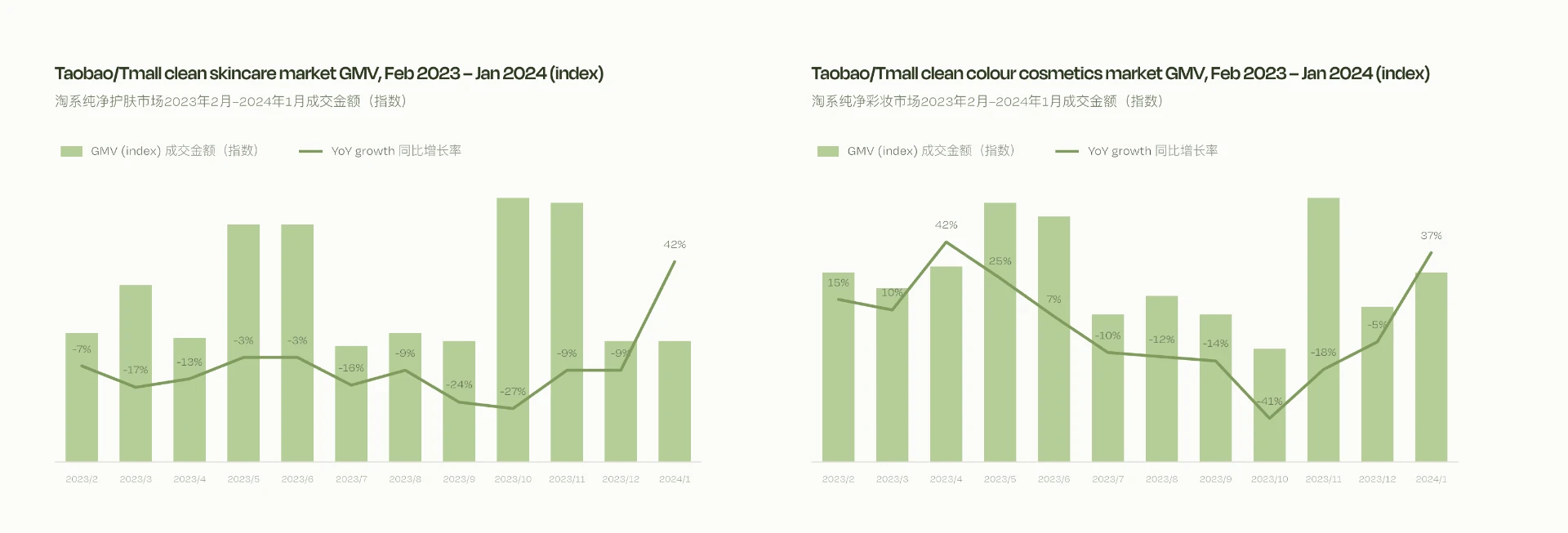
Sell clean skincare and you enter a large, mature market where domestic brands lead and the battleground is clinical efficacy data. Sell clean makeup and you enter a small but fast-growing market where international brands still hold the majority and category definitions are only now being set. These need different strategies, timelines and investment cases. Note too that the widely quoted "domestic brands hold 54%" figure applies to clean skincare; applied to clean beauty as a whole it badly overstates the position of Chinese brands in makeup.
Key takeaway: decide whether you are entering clean skincare or clean makeup before anything else, because that one choice sets your competitive set, your evidence burden and your timeline. Skincare means fighting domestic leaders on efficacy data; makeup means claiming position in a category still being defined.
4. Three core trends across 2025-2026
With the definition and the segment split established, the next question is where the market is heading. Three trends have defined the last eighteen months, and together they explain why several long-established Western clean brands have left while domestic players keep raising money.
Contraction on one side, capital on the other
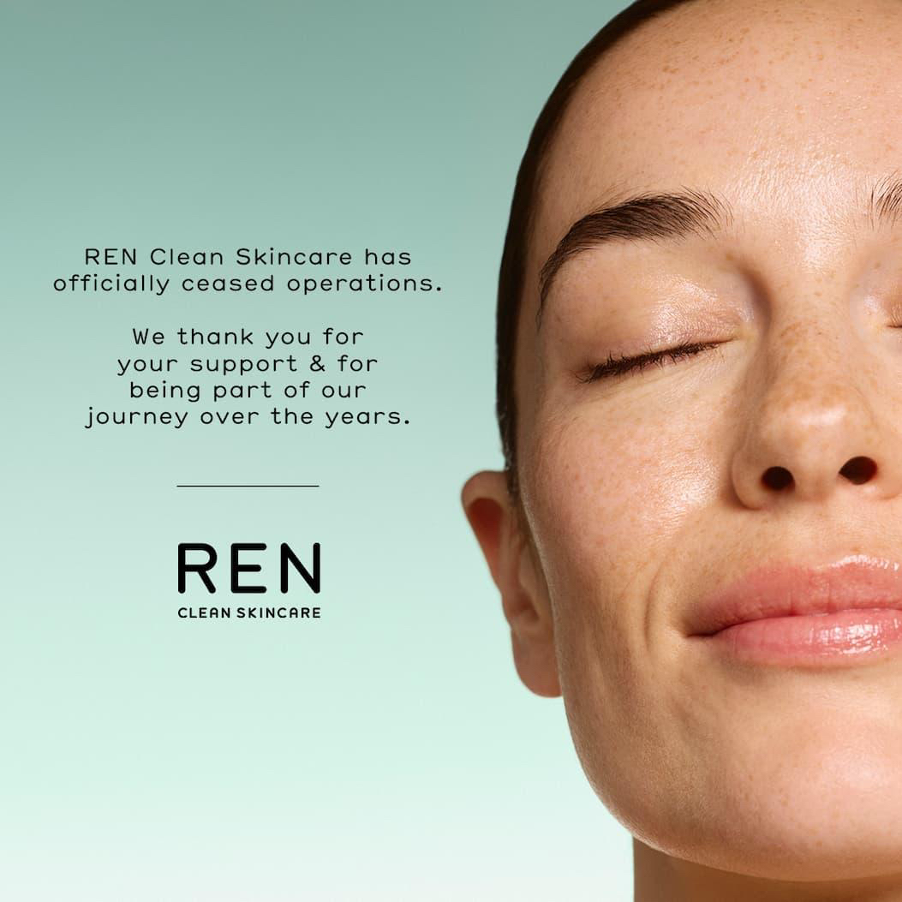
Unilever pruned its clean portfolio twice. REN, focused on sensitive skin and pregnancy safety, closed in May 2025 with the company stating plainly it could not be made profitable long term. Tatcha, also Unilever-owned, shut its China online platforms in April 2025, keeping only premium offline channels such as Sephora.
Drunk Elephant became the cautionary tale. Shiseido's "Clean Clinical" brand fell 25% in 2024, then 65% in Q1 2025, and a further 12% in H1 2026, the steepest drop among all of Shiseido's priority brands.
LG Household & Health Care closed TPSY in H1 2026, ten years into its life, as the first casualty of a new CEO's brand rationalisation. Beyond these three, more than ten clean beauty brands have closed or contracted since the start of 2025.
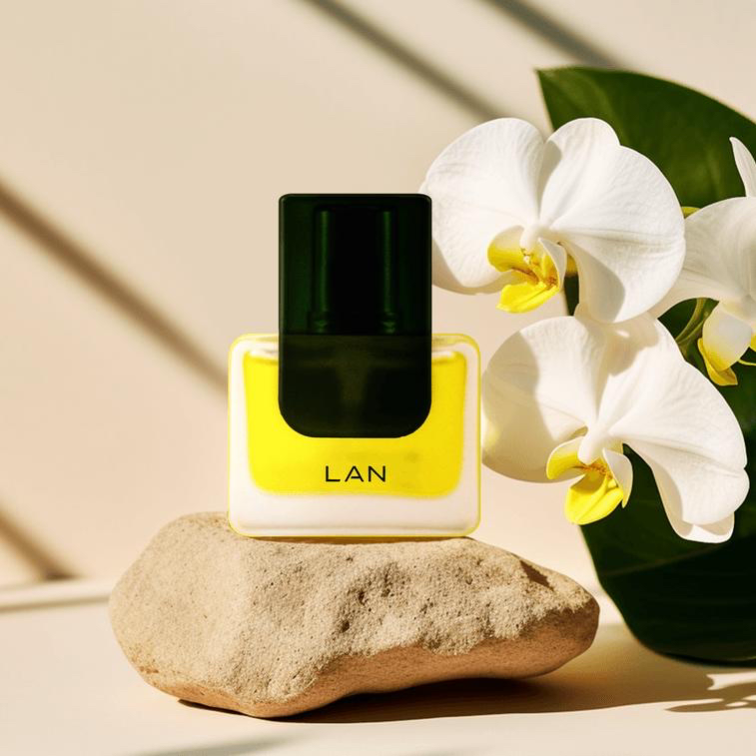
Capital moved the other way. L'Oréal took a minority stake in Chinese clean skincare brand LAN in November 2025, its first investment in a homegrown Chinese clean brand, and Estée Lauder invested in CODEMINT. The pattern is not that clean beauty is dying. It is that both global majors placing new bets in China are betting on Chinese brands.
The market has moved from concept to efficacy
In an efficacy-led market, "natural and safe" is no longer enough. On Tmall, the "repair plus hydration plus soothing" combination is worth RMB 6.8bn, a 7% share. Notably, Drunk Elephant markets itself on clean positioning globally but on entering China pivoted to "streamlined formulation plus visible efficacy", a high-performance narrative rather than a clean one. That is the repositioning this article recommends, executed by an international brand. RED CHAMBER's co-founder puts it more sharply, describing clean as an exercise in trade-offs: make it a pre-condition of the formulation rather than a selling point bolted on afterwards, and refuse to sacrifice colour payoff or wear time to hit a safety standard.
Demand is also consolidating. Per Mintel's Clean Beauty Consumer, China 2025, heavy users applying nine or more products have fallen sharply while minimalists using four to five have risen markedly, pointing to three keywords: long-term, natural, streamlined.
The standards vacuum is being filled by Chinese brands
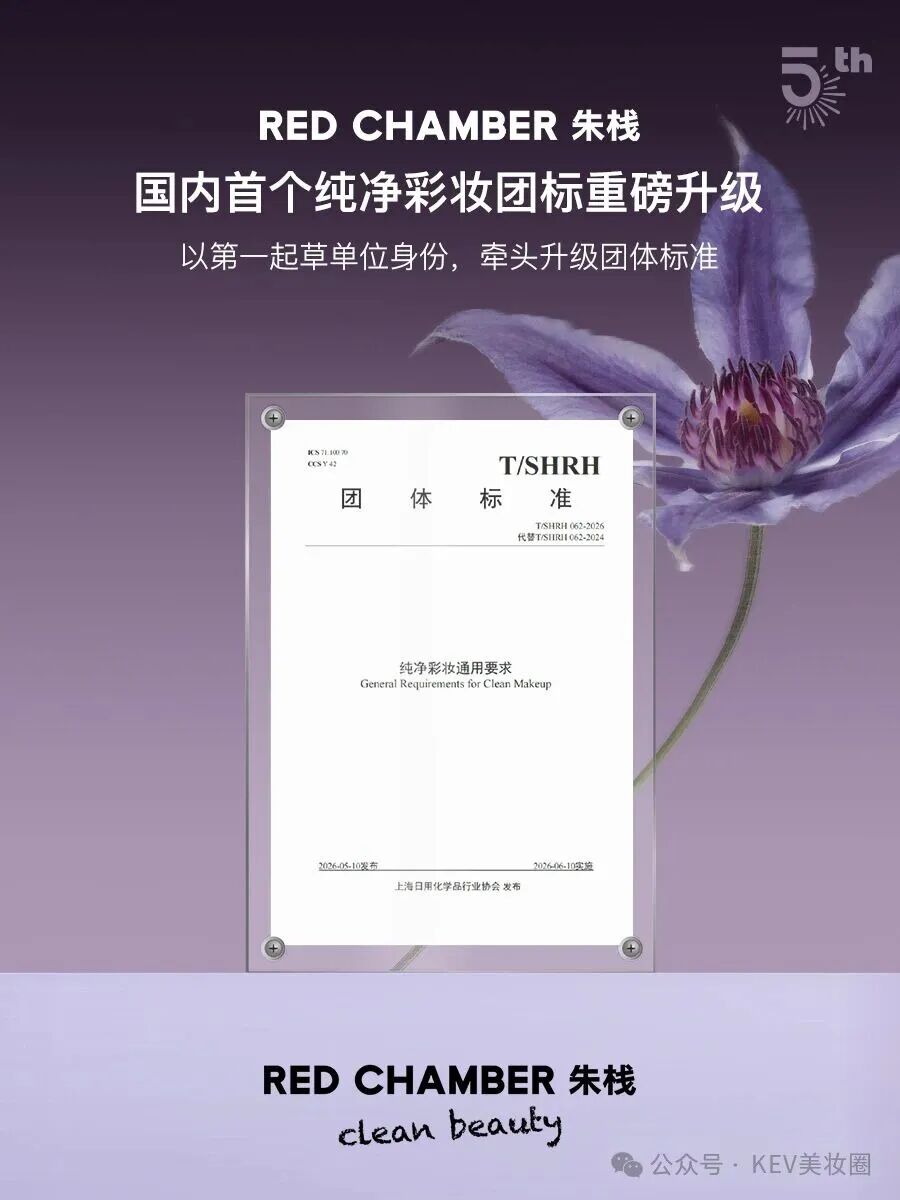
China still has no official organic cosmetics certification, so an "organic" claim carries compliance risk. But clean makeup now has a group standard, and global brands were not at the table where it was written. RED CHAMBER was lead drafter on China's first clean makeup group standard in 2024; in 2026 that became T/SHRH062-2026, effective June 2026, developed with thirteen companies and institutions including Intercos, Kolmar and Chando. It covers raw material screening, formulation design and finished-product evaluation, benchmarked against China's 2015 safety standards, EU Regulation 1223/2009 and US FDA norms, taking the strictest value in each case.
The entry bar for clean makeup in China is now being defined domestically, in Chinese, by Chinese brands.
5. The opportunity for brands
Set against that shake-out, the conditions for a well-positioned entrant have arguably never been better. Three forces are working in your favour right now: regulation, a consumer willing to pay for safety, and a clean makeup segment that nobody has locked down yet.
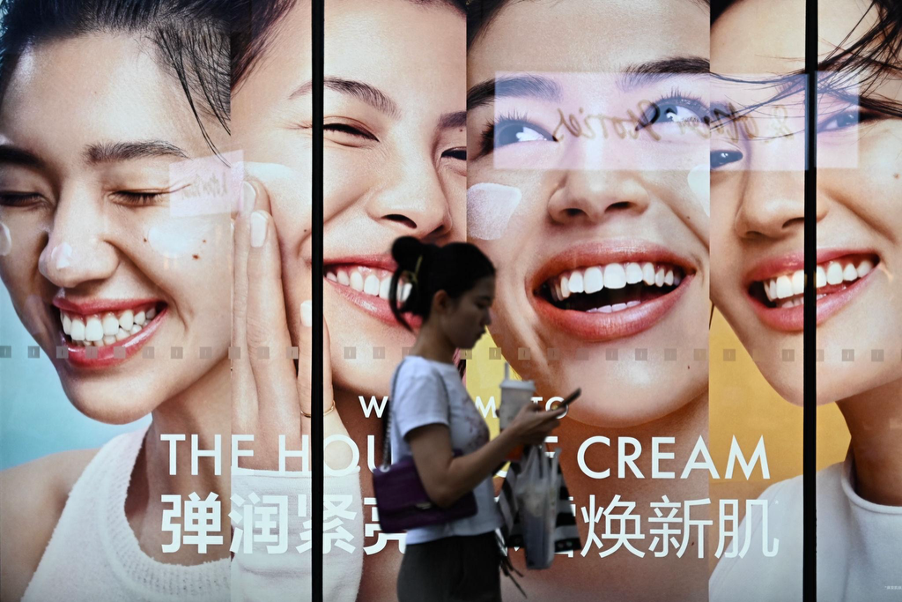
Policy has loosened. The NMPA's November 2025 Opinions on Deepening Cosmetics Regulatory Reform called for accelerated reductions in animal testing under the 3Rs principle, and five non-animal testing methods took effect on 1 March 2026.
Consumers pay a premium for safety. Over 70% of high-frequency makeup users will choose clean products even at a higher price, and the pregnancy segment is the sharpest expression: "suitable for pregnancy" was mentioned 198 times on RedNote, more than all environmental terms combined, and 93% of makeup users agreed clean makeup is more reliable during pregnancy. Genuine sensitive-skin or pregnancy-safety credentials are your entry wedge, not your sustainability report.
Clean makeup is still open territory. With international brands at 79% and top-ten concentration around 40%, it is one of the few genuinely unconsolidated segments in Chinese beauty, and nearly four in ten makeup users say there are too few clean makeup brands to choose from.
6. The challenges for brands
The same shift that creates the opening also raises the bar. Three obstacles account for most of the foreign clean brand exits we have tracked: a story that lands in the wrong place, a route to market that is too narrow, and a domestic field that moves faster than most global approval chains.
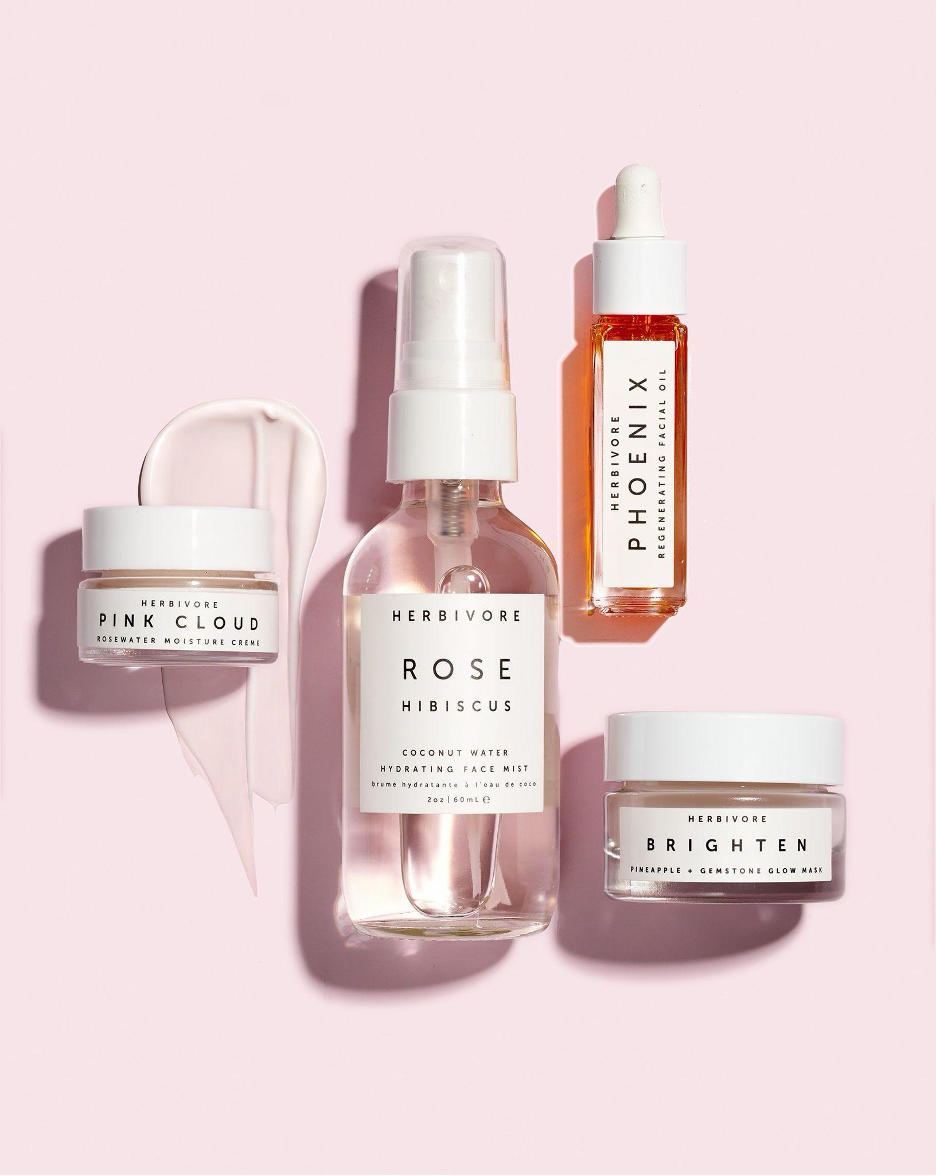
Narrative mismatch. The cruelty-free, vegan and eco-friendly messages foreign brands emphasise rank last in Chinese purchase decisions. Herbivore is the telling case: holding Leaping Bunny and PETA certification and a Clean at Sephora brand since 2015, it reached roughly 1,200 RedNote followers, stopped posting and exited. It held the most credible clean credentials Western retail can issue, and in China they were worth almost nothing. Cosmedix followed the same arc.
Single-channel reliance and slow decision chains. Most foreign clean brands enter through one channel, either Sephora offline or Tmall Global online, and typically via a distributor, which lengthens the decision chain past the point where they can keep up. Tatcha leaned too heavily on one online channel and awareness stayed thin.
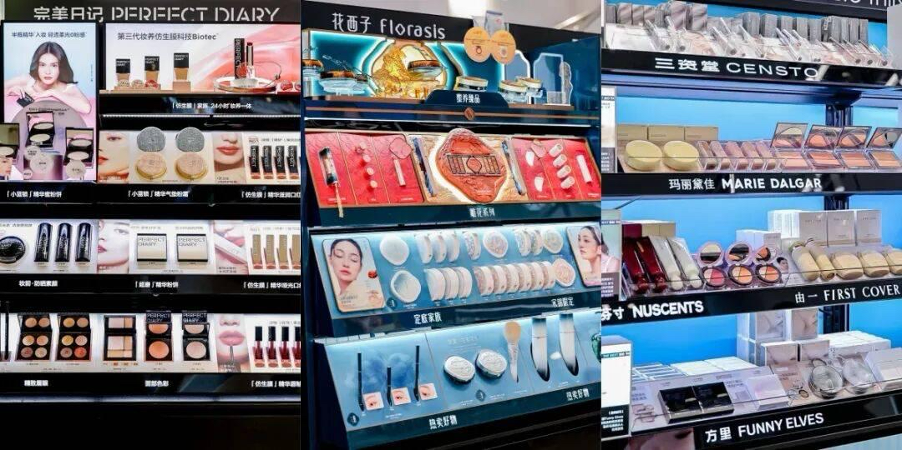
Domestic brands compete from strength. In 2025 China's cosmetics market broke RMB 1.1 trillion with domestic brands taking 57.4% of sales, more than half for the first time, and capital keeps reinforcing them.
7. Strategic recommendations
1. Rebuild the narrative, don't translate it.
Make "no added nasties", "suitable for sensitive skin" and "ingredient safety" your core language. That means auditing every claim in your global brand book against Chinese purchase drivers and rewriting positioning in Chinese from the consumer need backwards.
2. Know which market you are in.
Decide whether you are entering clean skincare or clean makeup and size that segment on its own definition. Get this wrong at the strategy stage and every downstream decision on pricing, channel and content inherits the error.
3. Make your evidence legible locally.
Your clinical dossiers are a real asset; the work is converting them into what Chinese consumers and platforms actually read, from RedNote ingredient explainers to review-ready proof points.
4. Build across channels, with local operating capacity.
Tmall, Douyin, RedNote, JD and premium offline need to work together, each with its own content cadence. A single channel is a single point of risk, and a pure distributor model is a speed risk.
5. Put compliance upstream.
Avoid "organic"; use "natural ingredients" or "clean formulation". Assess your formulations against T/SHRH062-2026 and get third-party testing documentation in order before writing a single claim. Your EU and FDA dossiers are genuine assets, but the wrong exhibit until someone maps them onto the local framework.
6. Be findable where the research happens.
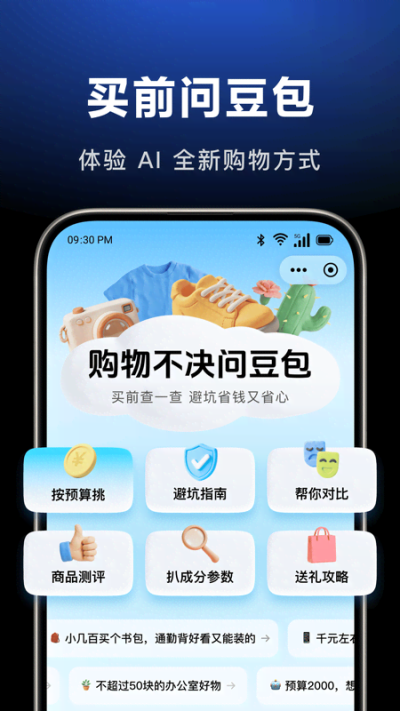
Chinese consumers vet ingredient safety through search and increasingly through domestic AI assistants (Doubao, DeepSeek, Kimi, Qwen, Yuanbao). What those models say about you depends on the Chinese-language content that exists, which for most new entrants is very little. Building that layer belongs in market entry, not later marketing.
7. Think long term, and instrument it.
At 15% to 18% annual growth patience is rewarded, but only defensible if you can show what is working. Set the measurement framework before you start spending.
8. Conclusion
The 2025 to 2026 shake-out proved two things: brands with a concept but no product strength get washed out, and the clean certifications Western retail issues do not travel. Yet a market growing 15% to 18% a year is still worth long-term investment, and clean makeup remains genuinely open. The price of entry has simply shifted, from a clean label to proven product strength, precise localisation, and evidence a Chinese consumer recognises as evidence.
How YASO can help
Entering China's clean beauty market in 2026 is less about getting in early and more about getting it right: the narrative reframed for "safe for me", the efficacy proven, the right sub-market chosen, the channels built out, and the claims kept compliant against standards now being written locally.
YASO helps Western beauty, wellness and lifestyle brands launch and scale in China, from market-entry strategy and localised positioning to content, social commerce and channel management across Tmall, RedNote and Douyin. Get in touch at goyaso.com.
Sources: Grand View Research, Fortune Business Insights, Boyan Consulting, Cross-Border Magic Cube, China Report Hall, Mintel, Kantar, Tmall Innovation Centre, NMPA, Shanghai Daily Chemical Industry Association, Moojing CMI, Jumeili, Qingyan, 36Kr and others. Market-size figures use differing definitions of clean beauty and are not directly comparable; see Section 2.